
Russia China Blocking Hormuz Resolution: What It Means for Global Trade, Oil Prices, and Rising Tensions
🚨 Breaking Overview
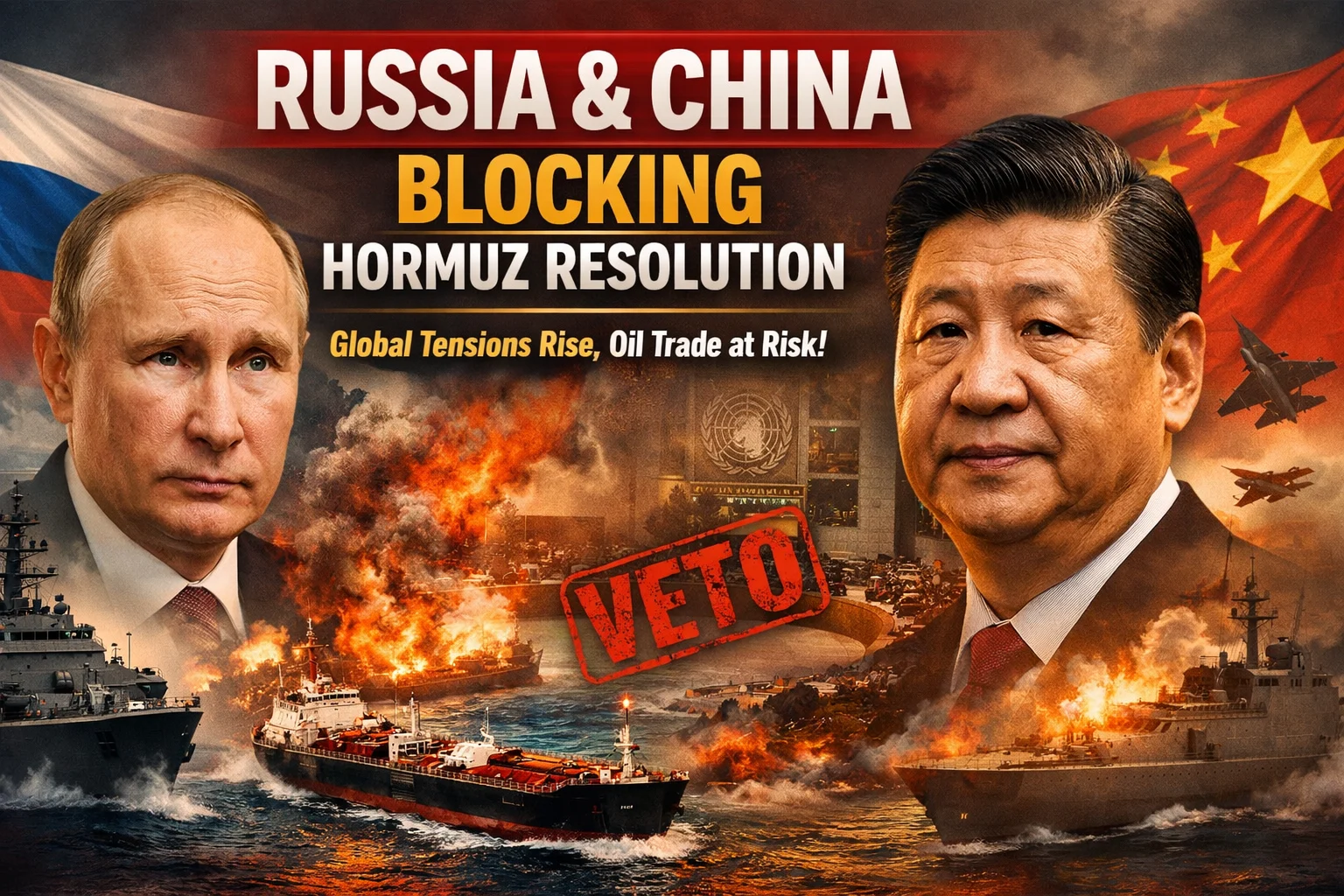
In a move that has sent shockwaves across global markets and diplomatic circles, Russia and China have blocked a United Nations resolution addressing the escalating crisis in the Strait of Hormuz.
The resolution, which aimed to ensure safe passage for oil tankers and de-escalate tensions, was vetoed during a critical session of the United Nations Security Council.
This development raises urgent questions:
- Is global oil supply at risk?
- Are we heading toward a new geopolitical standoff?
- What does this mean for India and emerging economies?
Let’s break it down in depth.
🌍 Why the Strait of Hormuz Matters
The Strait of Hormuz is not just another maritime route — it is the lifeline of global energy supply.
Key Facts:
| Factor | Details |
|---|---|
| Location | Between Oman and Iran |
| Oil Flow | ~20% of global oil passes through daily |
| Strategic Importance | Critical for Asia, Europe, and US |
| Risk Level | Extremely high during conflicts |
Even a minor disruption here can:
- Spike global oil prices overnight
- Impact inflation worldwide
- Trigger stock market volatility
🧭 What the Blocked Resolution Was About
The proposed UN resolution aimed to:
- Ensure freedom of navigation
- Prevent military escalation in the Gulf
- Deploy international monitoring mechanisms
- Stabilize oil shipment routes
However, Russia and China vetoed it, citing concerns over:
- Sovereignty issues
- Western influence in the region
- Potential military overreach
⚖️ Russia & China’s Stand: Strategic or Political?
🇷🇺 Russia’s Perspective
- Opposes Western-led intervention
- Supports regional control rather than global policing
- Seeks to maintain influence in Middle East geopolitics
🇨🇳 China’s Perspective
- Relies heavily on Gulf oil imports
- Prefers diplomatic solutions over military action
- Avoids setting precedents for foreign intervention
🔍 Comparison: Supporters vs Opponents of the Resolution
| Category | Countries | Position |
|---|---|---|
| Supported Resolution | USA, UK, France | Wanted immediate action |
| Opposed (Veto) | Russia, China | Blocked resolution |
| Neutral/Undecided | Some non-permanent members | Called for dialogue |
📉 Immediate Global Impact
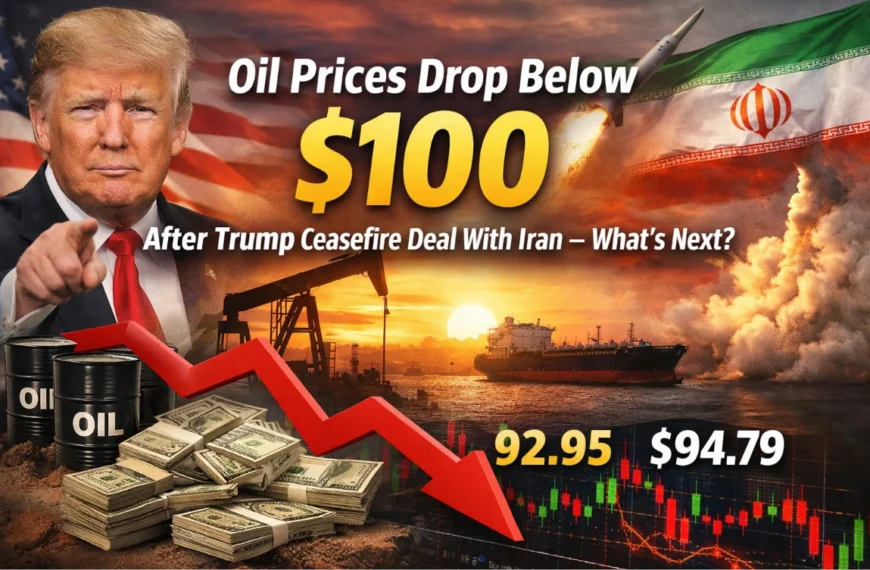
1. Oil Prices Surge
Markets reacted quickly:
- Crude oil prices jumped
- Shipping insurance costs increased
- Energy stocks became volatile
2. Trade Disruptions
Countries dependent on oil imports (like India) face:
- Increased fuel costs
- Pressure on currency
- Rising inflation risk
🇮🇳 Impact on India
For India, this situation is critical.
Why?
- India imports 80%+ of its oil
- A large portion passes through Hormuz
- Any disruption affects:
- Petrol & diesel prices
- Transportation costs
- Overall economy
🔥 Is This a Sign of Bigger Conflict?
This veto signals something deeper:
- Growing divide between Western powers and Eastern blocs
- Increasing use of veto power for geopolitical leverage
- Weakening consensus at the United Nations
Experts believe this could lead to:
- Regional military buildup
- Proxy conflicts
- Long-term instability
🧠 Expert Insight (Simplified)
Analysts suggest:
“This is not just about a waterway — it’s about global power balance.”
The veto reflects:
- Strategic rivalry
- Economic interests
- Control over global energy routes
📊 Historical Context: Has This Happened Before?
Yes, tensions around the Strait of Hormuz are not new.
| Year | Event |
|---|---|
| 1980s | Tanker War during Iran-Iraq conflict |
| 2019 | Attacks on oil tankers |
| 2023+ | Rising naval tensions |
The difference now?
👉 Major global powers are directly involved.
⚠️ Risks Going Forward
Short-Term Risks
- Oil price spikes
- Shipping delays
- Market uncertainty
Long-Term Risks
- Military confrontation
- Global economic slowdown
- Supply chain disruptions
🌐 What Happens Next?
Possible scenarios:
Scenario 1: Diplomatic Talks Resume
- UN pushes for revised resolution
- Back-channel negotiations
Scenario 2: Regional Alliances Act
- Gulf countries increase security
- Independent naval patrols
Scenario 3: Escalation
- Military presence increases
- Risk of direct conflict
📌 Key Takeaways
- Russia China blocking Hormuz resolution is a major geopolitical event
- The Strait of Hormuz remains the world’s most critical oil route
- Global markets are already reacting
- India and other oil-dependent countries are at risk
- Future developments could reshape global power dynamics
🧾 Final Thoughts
This is more than just a UN veto — it’s a signal of shifting global alliances.
The world is entering a phase where:
- Energy security = national security
- Diplomacy is becoming more complex
- Power blocs are redefining global order
For readers, investors, and policymakers alike, this is a situation to watch closely.


 By
By