
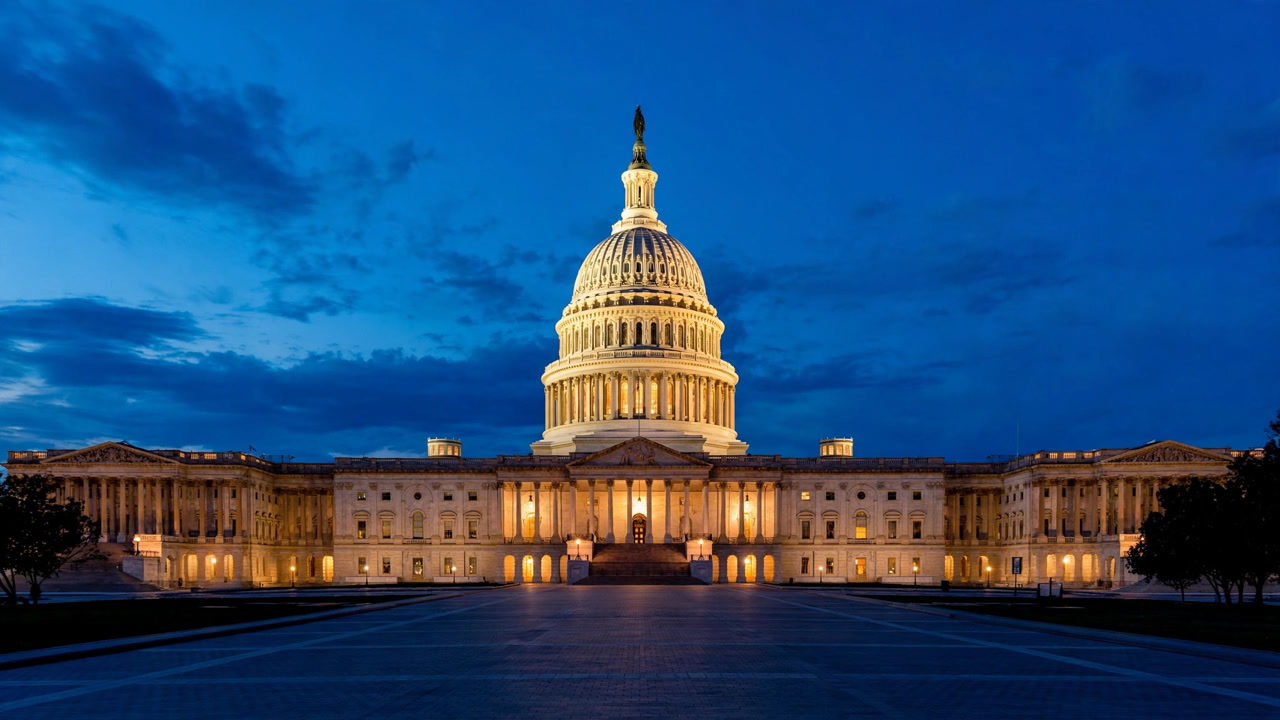
The White House has ordered every federal department and agency to get its approval before any employee agrees to testify to Congress. White House approval for Congress testimony is now required under a one-page memo issued on Monday, November 16, 2026, by White House Counsel Will Scharf — a directive that puts the president’s lawyers between federal workers and the lawmakers who want to question them, seven weeks before Democrats take control of both chambers and begin promised investigations.
The memo’s order is a single sentence long. Its subject line is “White House Approval Regarding Legislative Testimony,” and it says: “Executive Departments and Agencies must obtain approval from the White House Office of Legislative Affairs (OLA) and the Office of the White House Counsel (WHCO) before any agency personnel may agree to appear before any congressional committee.” The memo was sent to the top lawyers — the general counsels — of every executive department and agency, was obtained by Axios, and was published in full by PBS News.
Scharf described the requirement as the “established White House consultation process,” and said further guidance on other engagements with Congress is forthcoming. The White House has not said what the criteria for approval will be, set no deadline for an answer, or explained what happens when a request arrives as a subpoena. What is clear is the timing: in 47 days, both chambers of Congress change hands, and the new Democratic majorities have promised sweeping investigations of the Trump administration.
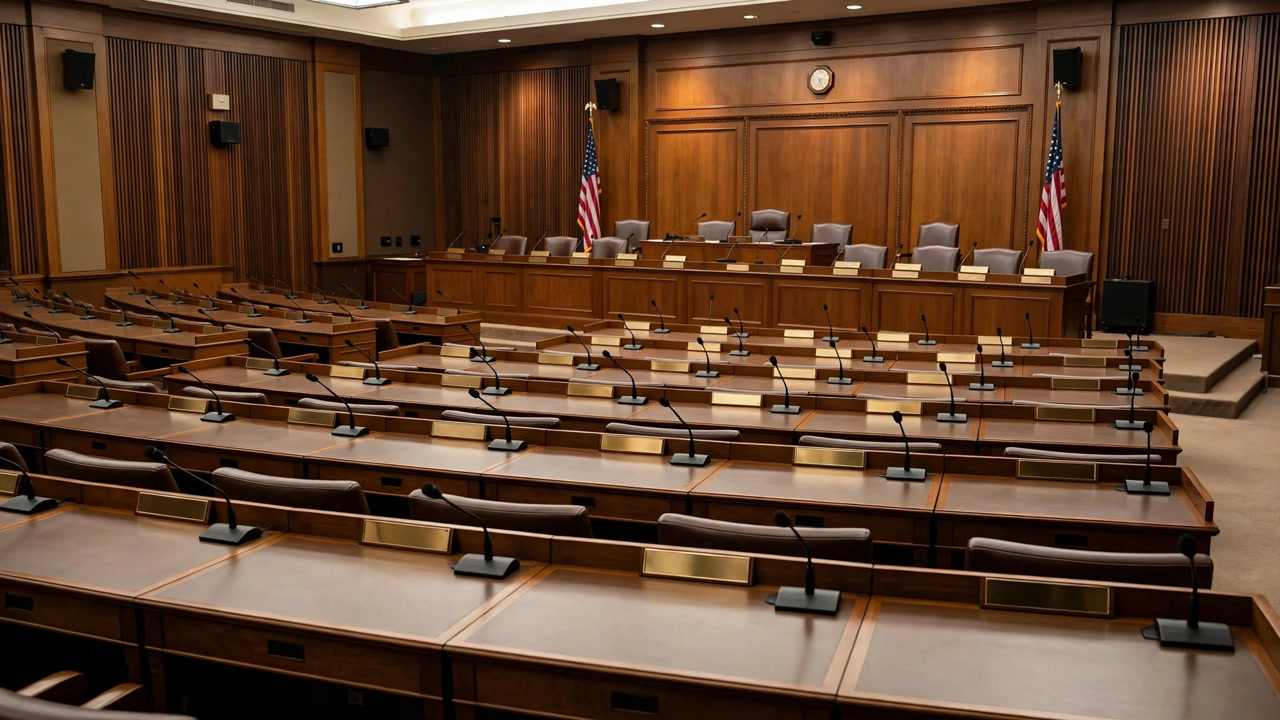
What does the White House approval for Congress testimony memo actually require?
The memo governs voluntary appearances, which is how most congressional testimony begins: a committee asks, and the witness agrees to come. From now on, an agency cannot say yes to that request until two White House offices — Legislative Affairs and the White House Counsel — have both approved it. The memo does not change the power of a subpoena, the legal order a committee can issue to force a witness to appear or hand over records. But it does mean that every routine, cooperative appearance now runs through a White House gate.
That distinction matters, and it is also where the memo’s critics focus. Most oversight starts with a polite request, not a subpoena. If the White House can slow-walk or withhold approval for voluntary appearances, committees may be forced to issue subpoenas for testimony they used to get by asking — a slower, more confrontational process that burns political capital and time. The memo sets no criteria for granting permission, no deadline for a response, and no procedure for handling subpoenas, leaving agencies and committees to guess how the new system will work in practice.
The memo’s supporters inside the administration frame it differently. A White House official told Axios the administration “will not be extorted, intimidated, or threatened into submission,” adding: “We are ready to engage with Congress.” The argument, in short, is that the White House is entitled to coordinate its own branch’s dealings with Congress — and that coordination is not the same as a refusal to cooperate.
Why did the White House issue the memo now?
The memo did not come out of nowhere. It follows a letter Scharf sent on November 9 to Representative Robert Garcia of California, the Democrat expected to chair the House Oversight Committee when the new Congress convenes in January. In that letter, Scharf warned that some of the investigations Democrats have promised could exceed Congress’s authority and might amount to criminal conduct.
The sequence tells its own story. First, the November 9 letter told the incoming committee leaders what they may ask. Then the November 16 memo decided who is allowed to answer. Together, they amount to the administration’s opening position for the oversight fights of 2027: investigations will be contested, testimony will be controlled, and the White House intends to be in the middle of every request.
There is also a legal backdrop the memo runs straight into. Federal law protects government employees’ ability to provide information to Congress. Under 5 U.S.C. Section 7211 — descended from the Lloyd-La Follette Act of 1912 — the right of federal employees, alone or together, to petition Congress or to furnish information to either house, to a committee or to a member, “may not be interfered with or denied.” The memo’s verb is “agrees to appear,” which concerns the scheduling of formal testimony, and nothing in the reported text forbids an employee from picking up the phone. But the tension between a 114-year-old statute and a one-page memo is obvious, and it is likely to be tested.
How have Democrats and legal experts reacted?
Representative Garcia responded to the memo, and the Associated Press reported on both the memo and his response on November 16. Democrats preparing to take the gavels in January have promised investigations across the administration — into spending, personnel decisions, immigration enforcement and more — and they will now have to decide whether to treat the memo as a procedural hurdle or as a confrontation.
Legal commentary has focused on the gap between what the memo says and what it can actually do. The memo requires approval before an employee “agrees” to appear, but it does not — and, as a matter of law, probably cannot — override Congress’s subpoena power. A committee with a majority can compel testimony. What the memo can do is raise the cost of the cooperative route, forcing committees to choose between waiting for White House approval and escalating to compulsory process.
Some coverage has overstated the memo’s reach, describing it as a ban on all employees complying with all subpoenas. That is not what the memo says. It is a centralised permission regime for voluntary appearances, and its practical effect will depend on how the White House uses it: whether approvals come quickly and routinely, or slowly and selectively. The first real test will come when the new Congress convenes in January 2027 and the first testimony requests land.
What happens next in the White House approval for Congress testimony fight?
The memo itself says more instructions are coming: “Further guidance regarding other engagements with Congress is forthcoming.” That leaves open whether the approval requirement will extend beyond testimony to briefings, document production and other contacts between agencies and Capitol Hill. For now, agencies receiving testimony requests will have to seek White House clearance before committing employees to appear — and committees will have to decide how patient to be.
The deeper question is whether the memo survives its first court test. If a committee subpoenas an official and the White House withholds approval for a voluntary appearance, the dispute will almost certainly end up before a judge, where the 1912 statute and the constitutional separation of powers will both be argued. Presidents of both parties have fought Congress over testimony for decades; what is new here is the breadth — every employee, every agency, every committee — and the timing, seven weeks before a change of control.
For federal employees caught in the middle, the practical advice is unchanged: the right to communicate with Congress is protected by statute, but the scheduling of formal testimony now runs through the White House. For the public, the memo is a preview of the oversight battles to come — and a reminder that the fight over who gets to ask questions, and who gets to answer them, is itself one of the central conflicts of American government.
Key Facts
- White House Counsel Will Scharf issued a one-page memo on Monday, November 16, 2026, requiring agencies to get approval before employees testify to Congress.
- The memo’s subject line is “White House Approval Regarding Legislative Testimony.”
- Agencies must obtain approval from the White House Office of Legislative Affairs and the Office of White House Counsel before any personnel agree to appear before any congressional committee.
- The memo was sent to the general counsels of every executive department and agency; it was obtained by Axios and published in full by PBS News.
- Scharf called the requirement the “established White House consultation process” and said further guidance is forthcoming.
- The memo follows Scharf’s November 9 letter to Representative Robert Garcia, expected chair of the House Oversight Committee.
- Democrats take control of both the House and the Senate in January 2027, 47 days after the memo.
- The memo does not change Congress’s subpoena power, which can compel testimony.
- Federal law (5 U.S.C. Section 7211, from the Lloyd-La Follette Act of 1912) says employees’ right to furnish information to Congress “may not be interfered with or denied.”
FAQ
What is the White House approval for Congress testimony memo?
A one-page memo from White House Counsel Will Scharf, dated November 16, 2026, ordering executive departments and agencies to obtain approval from the White House Office of Legislative Affairs and the Office of White House Counsel before any employee agrees to appear before a congressional committee.
Does the memo ban federal employees from testifying?
No. It requires White House approval before an employee voluntarily agrees to appear. It does not change Congress’s subpoena power, which can force a witness to appear.
Who is Will Scharf?
Will Scharf is the White House Counsel in the Trump administration — the president’s chief lawyer — and the author of the November 16 memo.
Why was the memo issued now?
It comes seven weeks before Democrats take control of both chambers of Congress in January 2027 and begin promised investigations, and a week after Scharf warned incoming House Oversight chair Robert Garcia that some planned investigations could exceed Congress’s authority.
What law protects federal employees who talk to Congress?
5 U.S.C. Section 7211, descended from the Lloyd-La Follette Act of 1912, which says the right of federal employees to petition Congress or furnish information to a house, committee or member “may not be interfered with or denied.”
What happens if the White House refuses approval?
The memo sets no criteria, deadline or appeal process. A committee could then issue a subpoena to compel testimony, and the dispute could end up in court.
