
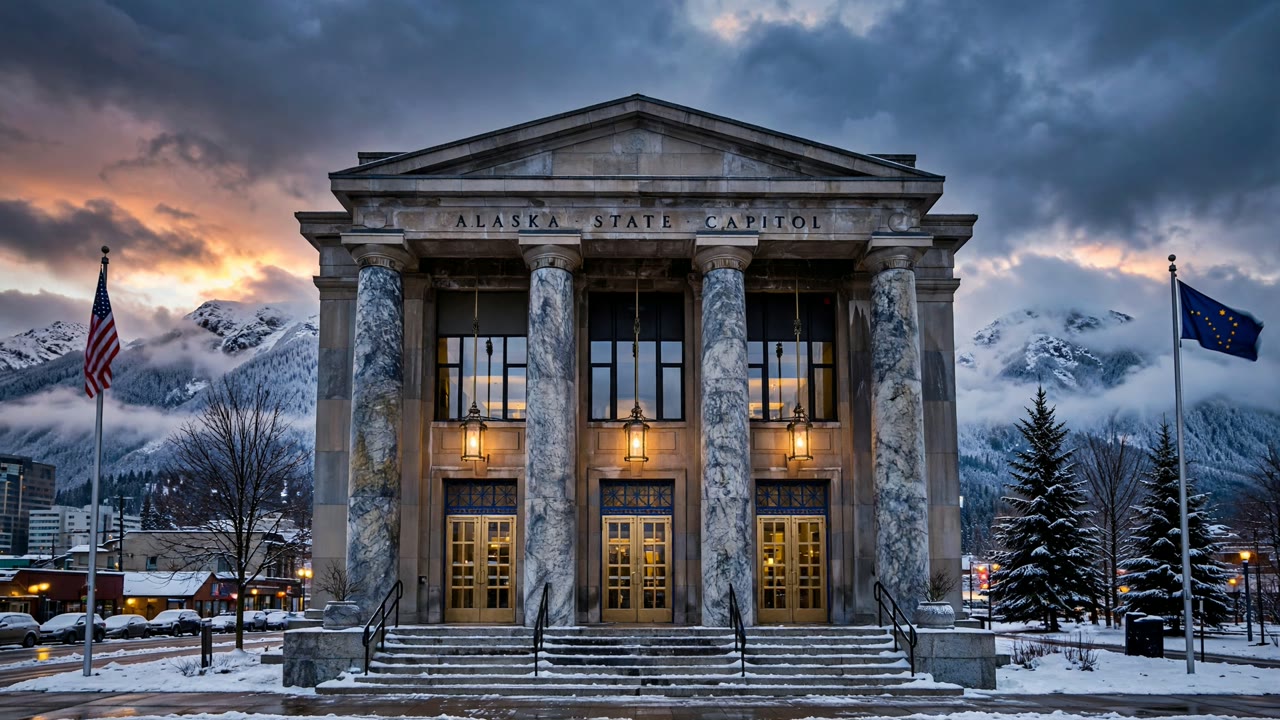
Mary Peltola wins Alaska Senate race, defeating two-term Republican Senator Dan Sullivan and giving Democrats a commanding 56-44 majority in the US Senate. Mary Peltola wins Alaska Senate seat in the final uncalled contest of the 2026 midterm elections, projected on Tuesday, November 17, 2026, completing a ninth Senate flip for her party and handing Democrats their largest Senate majority since 2009. Peltola, 53, also becomes the first Alaska Native ever elected to the Senate and the first Democrat to win a US Senate seat in her home state in nearly 20 years.
The result was called once enough votes had been counted to show Peltola clearing the 50 percent threshold under Alaska’s ranked-choice voting system. She was projected to have won 50 percent of first-place votes to Sullivan’s 46 percent, enough to win outright without additional rounds of counting. Preliminary results from the Alaska Division of Elections put her at 50.1 percent to Sullivan’s 45.8 percent.
For Democrats, the win is the capstone of a midterm night that already looked historic. The party flipped nine Republican-held Senate seats to retake the chamber, won campaigns in conservative states including South Carolina, Texas, Kansas and Mississippi, and secured control of the House of Representatives. Alaska, a state President Donald Trump has repeatedly won by wide margins, delivered the final seat. Senate Democratic leader Chuck Schumer, who recruited Peltola to challenge Sullivan, posted on X: “It’s official: 56 Democratic Senate seats!”
How Mary Peltola wins Alaska Senate race
Mary Peltola wins Alaska Senate race by building on a coalition that has carried her before. She previously held Alaska’s lone House seat, making her the first Alaska Native to serve in Congress, and she entered the Senate race as the Democrat best placed to compete in a state that has not sent a Democrat to the Senate since Mark Begich won in 2008. She finished first in the primary with 49.5 percent of the vote, ahead of the incumbent’s 41.4 percent, a signal that the race was hers to lose.
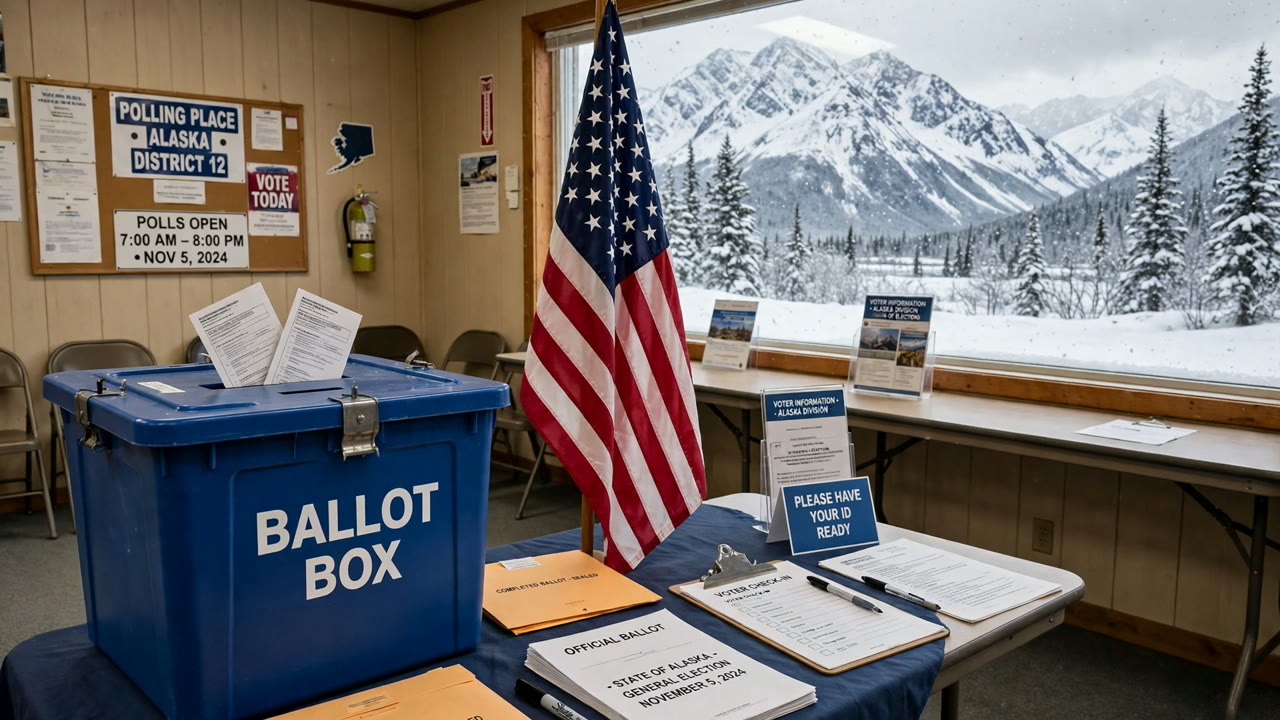
The ranked-choice system shaped the contest. Alaska voters rank candidates in order of preference, and a candidate who wins more than 50 percent of first-place votes wins outright, without further rounds. Peltola cleared that bar, which meant the count stopped there. Her margin — about four points on first-place votes — was decisive by the standards of a state where statewide races are usually decided by much less.
The race also carried an unusual controversy. A candidate who shares the incumbent’s name, Dan J. Sullivan, appeared on the ballot as Daniel J. Sullivan Jr., with no party affiliation, while the senator was listed as Dan S. Sullivan, Republican and incumbent. Peltola’s campaign faced allegations that members of her campaign helped recruit the namesake candidate, a claim she overcame on the way to victory. The namesake candidate finished with about 1.7 to 2.5 percent of the vote. A Justice Department investigation into the alleged recruitment effort remains ongoing, and a civil case continues through the appeals process.
Why Mary Peltola wins Alaska Senate seat matters so much
The Alaska result matters because it turns a narrow Democratic Senate win into a commanding one. A 56-44 majority is the party’s largest since 2009, and it changes the arithmetic of the next two years. With control of the House of Representatives as well, Democrats now hold both chambers of Congress while Republican President Donald Trump holds the White House, setting up two years of possible deadlock between Congress and the president.
The scale of the majority matters for more than headlines. A 56-seat majority gives Democrats room to lose a handful of votes on any given measure and still pass it, and it strengthens their hand in negotiations over spending, confirmations and investigations. It also reflects the breadth of the midterm result: the party did not just win in friendly territory. It flipped seats in South Carolina, Texas, Kansas and Mississippi, states where Democrats have rarely won statewide in recent years, and Alaska was the exclamation point.
Alaska’s own politics shifted with the result. Voters also elected a Democrat as governor for the first time since 1998, on the same November 3 general election ballot. Peltola will be just the fifth Democrat since statehood to represent Alaska in the Senate, and her victory makes her the first Alaska Native person to serve in the chamber. She made her living in the commercial fishing industry before entering politics, a background her campaign leaned on heavily in a state where fishing is both an economy and an identity.
What happens next in the Senate?
The new Senate takes its seats in January 2027, when Democrats will hold 56 of the 100 seats. The majority gives the party control of the Senate’s committees, the power to set the floor schedule, and the ability to confirm or block the president’s nominees. With the House also in Democratic hands, the two chambers can send legislation to the president’s desk that he must either sign or veto, and they can open investigations that the previous Republican majorities would not have pursued.
The practical consequence is gridlock on the biggest issues. A Democratic Congress and a Republican president disagree on taxes, health care, immigration and the budget, and neither side has the votes to override the other. The result is likely to be two years of confrontation, with the courts, executive orders and the states becoming the main arenas for policy. That is the normal shape of divided government in America, but the size of the Democratic Senate majority makes the divide unusually wide.
For Peltola personally, the win completes a political comeback in a state that has repeatedly rewarded her brand of politics. She lost her House seat and came back to win the Senate race that decided the chamber’s balance. Her first task will be the transition: hiring staff, taking committee assignments and preparing for a January swearing-in. Her second will be the one every freshman senator faces in a narrowly divided country: deciding when to stand with her party and when to break with it.
The reaction from Democratic leadership was swift and celebratory. Schumer, who enlisted Peltola to challenge Sullivan, called her victory a “gift to Alaska, the Senate, and all of America.” For Republicans, the loss of the final uncalled race closes the book on a midterm that has now been settled in full: nine seats flipped, a 56-44 Democratic majority, and a new Congress that will spend the next two years in open tension with the White House.
Key Facts
- Democrat Mary Peltola won Alaska’s US Senate race on Tuesday, November 17, 2026, defeating two-term Republican incumbent Dan Sullivan, according to projections from US media.
- Peltola was projected to win 50 percent of first-place votes to Sullivan’s 46 percent; preliminary results put her at 50.1 percent to 45.8 percent, clearing the 50 percent threshold to win outright under Alaska’s ranked-choice voting system.
- The win gives Democrats a 56-44 Senate majority, their largest since 2009, and was the party’s ninth Senate flip of the midterm elections; it was the final uncalled Senate race.
- Peltola, 53, becomes the first Alaska Native ever elected to the US Senate and the first Democrat to win a US Senate seat in Alaska in nearly 20 years; she will be the fifth Democrat since statehood to represent Alaska in the Senate.
- Peltola previously held Alaska’s lone House seat, making her the first Alaska Native to serve in Congress; she worked in the commercial fishing industry before entering politics.
- In the primary, Peltola finished first with 49.5 percent, followed by the incumbent with 41.4 percent; a namesake candidate, Daniel J. Sullivan Jr., received about 1.7 to 2.5 percent.
- Alaska also elected a Democrat as governor for the first time since 1998 in the November 3 general election.
- Senate Democratic leader Chuck Schumer posted: “It’s official: 56 Democratic Senate seats!”
Frequently Asked Questions
Who won the Alaska Senate race?
Democrat Mary Peltola defeated two-term Republican Senator Dan Sullivan in Alaska’s US Senate race, projected on Tuesday, November 17, 2026. She won 50 percent of first-place votes to Sullivan’s 46 percent, enough to win outright under Alaska’s ranked-choice voting system.
What is the Senate majority after the Alaska result?
Democrats hold a 56-44 majority in the Senate, their largest since 2009. Peltola’s win was the party’s ninth Senate flip of the 2026 midterm elections and the final uncalled Senate race. Democrats also secured control of the House of Representatives.
Why is Mary Peltola’s win historic?
Peltola is the first Alaska Native ever elected to the US Senate and the first Democrat to win a US Senate seat in Alaska in nearly 20 years, since Mark Begich in 2008. She previously held Alaska’s lone House seat, making her the first Alaska Native to serve in Congress.
How does Alaska’s ranked-choice voting work?
Alaska voters rank candidates in order of preference. A candidate who wins more than 50 percent of first-place votes wins outright, without additional rounds of counting. Peltola cleared that threshold with about 50 percent of first-place votes, so no further rounds were needed.
