
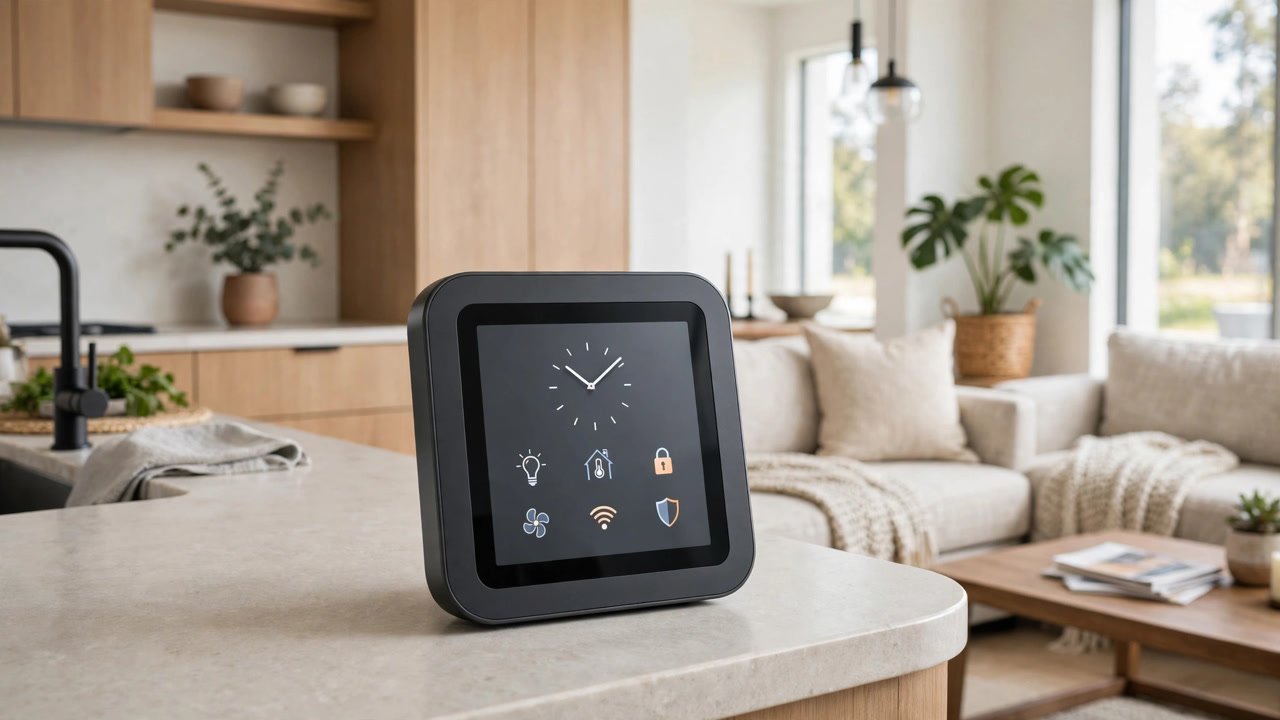
Apple’s first smart home hub is not out yet, and it is already out of date. Apple HomeView software version 26.5 — roughly six months old — will be the version installed on the $299 HomeView when it reaches buyers on Friday, November 13, according to AppleDB data reported by MacRumors. The moment buyers finish setting the device up, they will be prompted to update to the current version, 27.2.
For a product Apple announced only on October 13, the gap is a telling clue about how long this device has really been waiting. HomeView has been rumoured for years, delayed repeatedly, and its factory-installed software appears to have been frozen in May — the month the corresponding iOS, iPadOS and macOS 26.5 versions were released. The hub’s story, in other words, is written into its own version number.
What Apple HomeView software will the hub ship with?
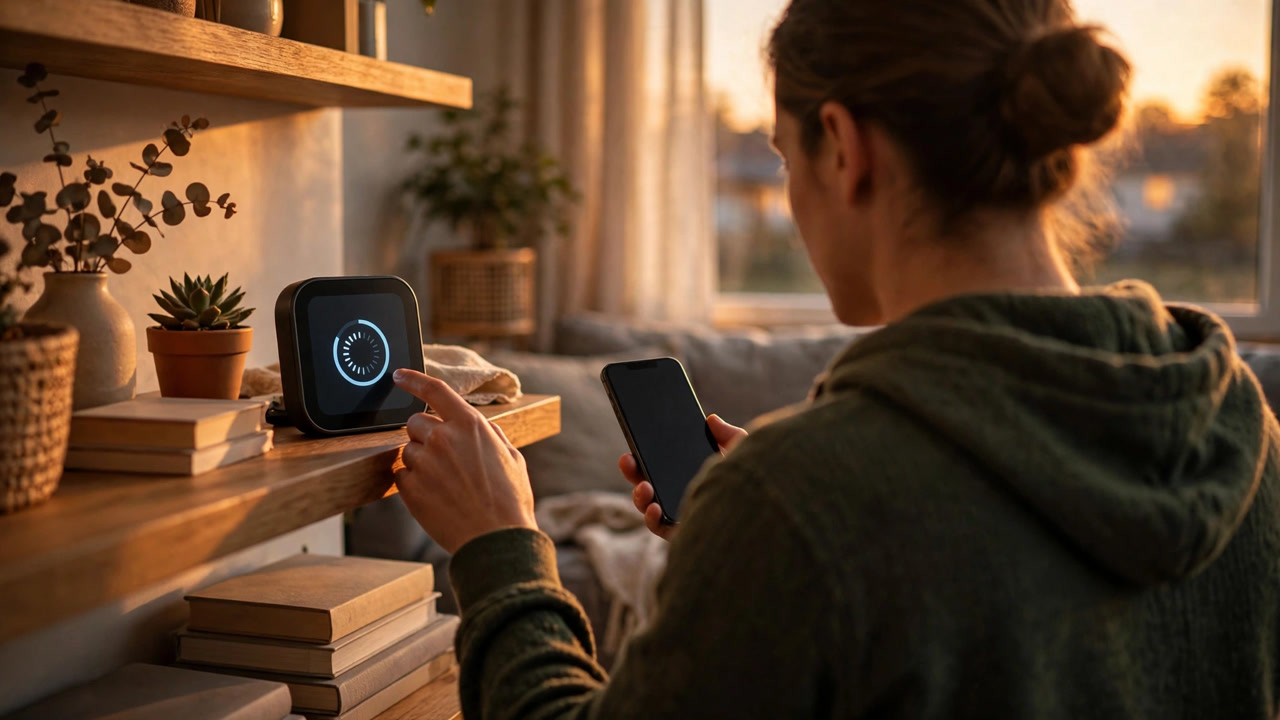
HomeView will ship with Apple HomeView software version 26.5, build 23W714, and offer an update to version 27.2 during setup. The 27.2 software itself was released on October 30, two weeks before the hardware goes on sale, which means the newest software for a device nobody owns yet is already public.
The update matters more than usual because the older version lacks the features Apple is selling the hub on. The 26.5 software does not include the latest personal context tools or the deeper Siri AI improvements powered by the device’s A18 chip, according to Mac Observer’s report. To use the hub at all, buyers will also need an iPhone running iOS 27.2 or an iPad running iPadOS 27.2 — both released on October 26 — so the practical advice for anyone with a November 13 delivery is simple: update the phone before the box arrives.
Why does a brand-new device ship with old software?
Because hardware and software run on different clocks. Mass production for a device like this starts months before launch, and the units sitting in retail boxes carry whatever software was final when their production run was sealed. The situation is fairly standard for a brand-new product category, as Mac Observer notes — factories finalize the initial operating system long before the official launch date, and day-one patches bridge the gap.
In HomeView’s case the gap is wider than usual, and that is the point. A six-month-old build strongly suggests the launch slipped well past its original window, with finished hardware waiting while software caught up. The device itself is a 7-inch Liquid Retina display with face recognition that unlocks each person’s Messages, Calendar and Reminders, priced at $299 in the US — a product Apple clearly intends as the centre of its smart home strategy, not a side experiment.
What does the day-one update add?
Quite a lot, judging by what researchers have already found inside the 27.2 software. Developers who virtualized the system — running it on a computer rather than the device — uncovered 20 wallpapers, a Control Center, Light and Dark Mode that switches by time of day, a face editor for the Lock Screen, and clock faces including Flow and Snoopy designs. MacRumors’ October 31 tour, based on a virtualized HomeView built by developer Guilherme Rambo, walked through the home screen, timers, alarms, world clock, settings, a Liquid Glass slider for tint and clarity, QuickPath swipe typing, and music and video players.
Underneath, the software is based on the Apple TV’s tvOS rather than the iPhone’s SpringBoard: its launcher is reportedly called BreadBoard and its Control Center process CupBoard. One quirk from the virtual machine — an Ethernet menu — is not expected on the real device, which is Wi-Fi only.
Is a security camera mode coming to HomeView?
Possibly, but treat it as a rumour, not a plan. A Reddit user reports finding setup text for a camera role inside the 27.2 build, with options for motion detection, live viewing and saving recordings. Apple has announced no camera mode for the hub and has said nothing to suggest one is coming, and code strings frequently describe features that are delayed or cancelled outright.
The same caution applies to the device’s wider launch story. HomeView will not be available in the European Union at launch, with Apple saying it is “working constructively” with the EU on a path forward. The name itself arrived only recently through a trademark filing, after Apple reportedly explored calling the system “homeOS” before settling on the plainer “HomeView software” naming, in line with how it refers to the HomePod’s operating system.
For buyers, the practical picture is clear enough: a $299 hub, a day-one update to 27.2, and a phone that must already be on iOS 27.2. After November 13, the first full reviews will answer the questions software cannot — whether face recognition really keeps each person’s home screen private, and what a visitor can reach from the Control Center. Until then, HomeView’s most honest review may be its version number: a device that waited so long to launch that its own software grew old first.
Key Facts
- Apple HomeView launches Friday, November 13, 2026, priced at $299 in the US.
- It ships with Apple HomeView software version 26.5 (build 23W714), about six months old, and prompts buyers to update to 27.2 during setup.
- HomeView Software 27.2 was released on October 30, 2026 (build 24V514).
- The hub has a 7-inch Liquid Retina display, face recognition and an A18 chip.
- Setup requires an iPhone on iOS 27.2 or an iPad on iPadOS 27.2.
- Code strings in 27.2 reportedly hint at a security camera mode, but Apple has announced nothing.
- HomeView is unavailable in the EU at launch.
FAQ
When does Apple HomeView launch?
Friday, November 13, 2026, priced at $299 in the US.
Why does HomeView ship with old software?
Its factory software, version 26.5, was frozen when mass production began months ago; buyers update to 27.2 during setup, which is standard practice for new hardware.
What do I need to use HomeView?
An iPhone running iOS 27.2 or later, or an iPad running iPadOS 27.2 or later, plus Wi-Fi.
Will HomeView work as a security camera?
Unconfirmed. Code strings in version 27.2 reportedly mention a camera role, but Apple has announced no such feature.
