
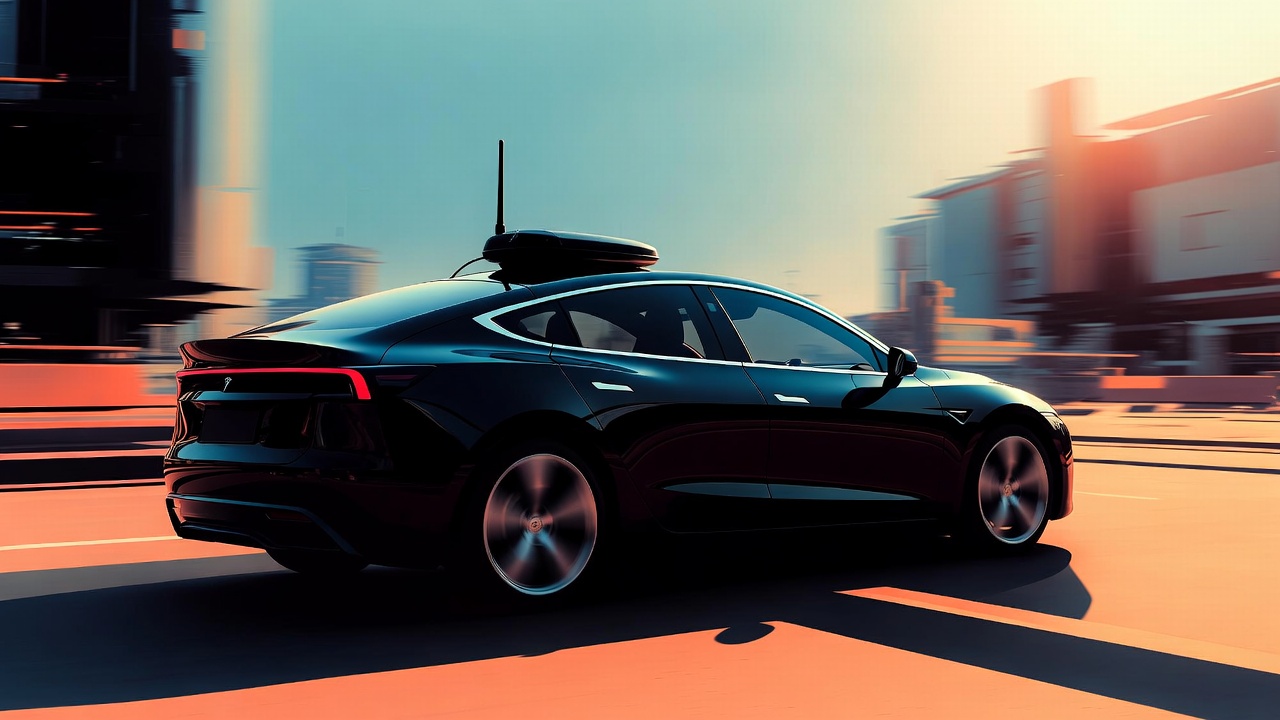

In an era where vehicle thefts and inefficient fleet operations continue to challenge drivers and businesses alike, GPS car tracking systems are emerging as indispensable tools for enhancing safety, efficiency, and peace of mind. As we delve into 2026, the GPS vehicle tracker market is experiencing explosive growth, driven by innovative technologies like IoT integration and real-time monitoring features. This surge not only addresses rising demands for discreet asset protection but also paves the way for smarter transportation solutions.
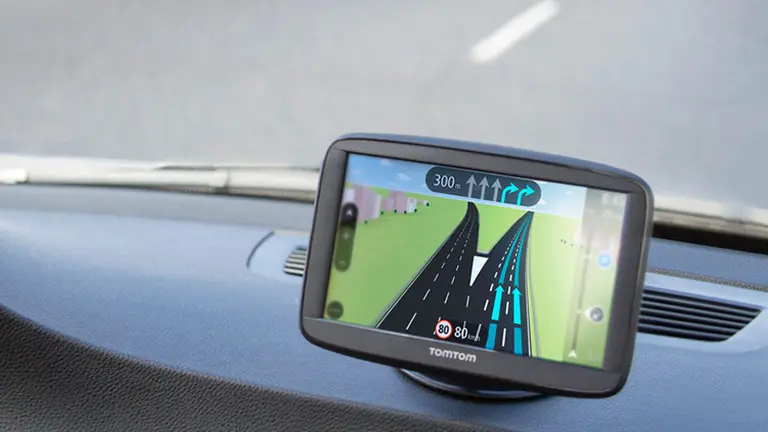
Explosive Market Growth and Reliable Statistics
The global GPS tracking device market is experiencing strong momentum. According to Roots Analysis, the market is projected to grow from USD 4.17 billion in 2026 to USD 12.28 billion by 2035, at a compound annual growth rate (CAGR) of 12.73% Roots Analysis, 2025.
Research Nester reports a similar trajectory, with the market valued at USD 4.04 billion in 2025 and expected to reach USD 14.08 billion by 2035, expanding at over 13.3% CAGR from 2026 onward Research Nester, 2025.
For the broader vehicle tracking system market, Straits Research indicates growth at 13.2% CAGR, driven by demand in transportation and logistics Straits Research. Grand View Research highlights the GPS/satellite segment’s dominance, holding nearly 50% share in recent years and growing fastest due to commercial vehicle adoption and IoT integration Grand View Research.
These figures from reputable market research firms demonstrate sustained investor confidence and widespread adoption across industries.
Key Technological Advancements Shaping 2026
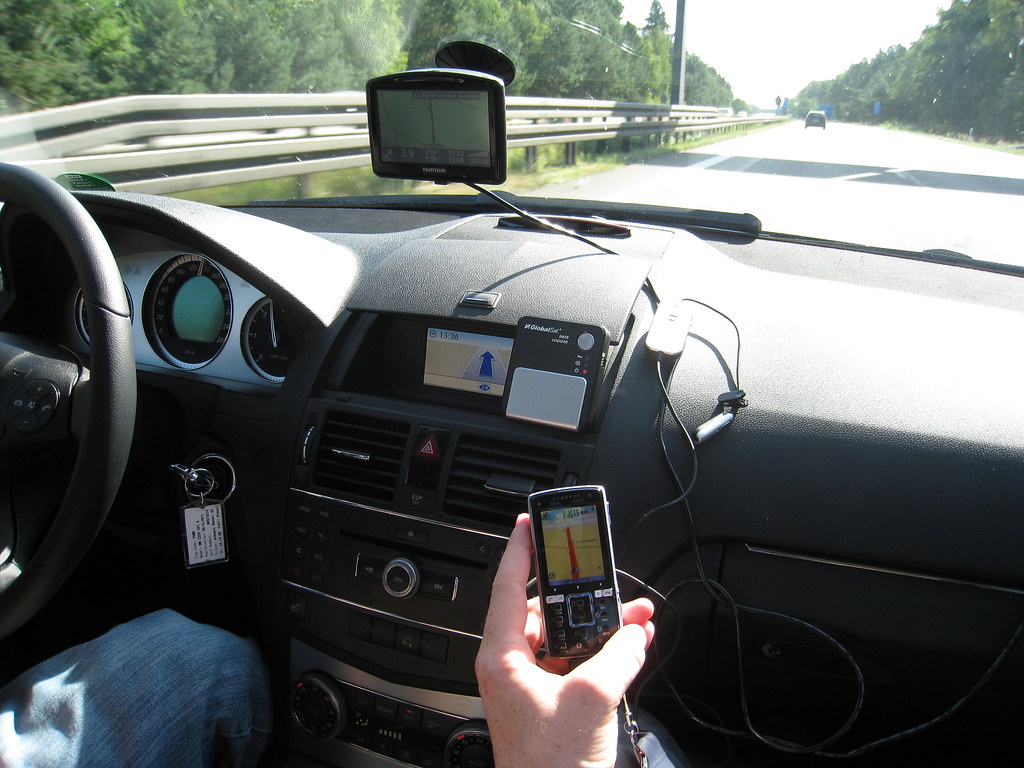
2026 marks a breakthrough year for GPS car tracking with deeper integration of AI, IoT, and 5G connectivity. These technologies enable predictive maintenance, real-time anomaly detection, and ultra-low latency data transmission.
Edge computing combined with 5G allows for faster processing of vehicle data, supporting applications like driver behavior monitoring and geofencing alerts GPS Leaders, 2025. AI-driven analytics now predict potential issues before they occur, reducing downtime in fleets.
Multi-constellation GNSS (including GPS, GLONASS, Galileo, and BeiDou) paired with 5G ensures centimeter-level accuracy, even in challenging urban environments Kingwo IoT, 2026. Hybrid systems blending cellular, Wi-Fi, and Bluetooth provide seamless coverage Binary Semantics, 2026.

Top Recommended GPS Car Trackers for 2026
Choosing the right tracker depends on needs like real-time monitoring, battery life, or discreet installation. Here are standout options based on expert reviews and testing:
- SpaceHawk GPS: Praised as a top hidden magnetic tracker for its real-time capabilities, long battery life, and discreet design—ideal for vehicle security SpaceHawk GPS.
- Family1st Portable GPS Tracker: Frequently ranked as the best overall for 2026 due to reliable real-time tracking, 14-day battery, affordable no-contract plans, and versatility for cars or personal use Family1st, 2026.
- Bouncie GPS Tracker: Offers excellent value with OBD-II plug-in ease, accurate updates, and driving insights at a low monthly cost MatRack Inc., 2025.
- Logistimatics Mobile-200: A strong magnetic portable option with durable build and detailed route history Family1st.
Key considerations include subscription flexibility, compatibility (e.g., OBD-II or hardwired), and features like geofencing or driver alerts. Many top models now reduce insurance premiums by proving proactive theft prevention.
Looking Ahead: The Promising Future of Vehicle Tracking
As GPS technology advances, its role expands to support sustainable mobility, autonomous features, and environmental monitoring. With projected CAGRs around 12-13% through the next decade, the focus remains on intelligent, connected solutions that make roads safer and operations more efficient MarketsandMarkets.
For individuals and businesses in 2026, adopting these reliable GPS car tracking systems means better protection, cost savings, and peace of mind in an increasingly connected world. Stay informed on these trends to choose solutions that deliver real value.
Here are 15 well-researched, high-value FAQs on GPS car tracking trends in 2026. These are crafted in natural, native English with semantic SEO in mind (targeting long-tail queries like “best GPS tracker for car 2026,” “how do car GPS trackers work,” “GPS car tracker cost,” etc.). They build authority, answer real user intent, and help your new site rank by covering common searches with fresh 2026 insights.
FAQs: GPS Car Tracking in 2026
1. What is a GPS car tracker and how does it work in 2026? A GPS car tracker is a small device that uses satellite signals (from GPS, GLONASS, Galileo, etc.) to pinpoint your vehicle’s exact location in real time. In 2026, most trackers combine GPS with 4G/5G cellular networks to send data to your phone app instantly. They calculate position via triangulation from multiple satellites, then transmit via SIM card for live updates, geofencing alerts, speed monitoring, and route history.
2. What are the best GPS car trackers for 2026? Top picks include Family1st Portable GPS Tracker (best overall for real-time accuracy and low cost), Bouncie (great value with OBD-II plug-in and vehicle health insights), LandAirSea 54 (long battery, magnetic, waterproof), Logistimatics Mobile-200 (reliable magnetic portable), and SpaceHawk (top hidden magnetic option). These stand out for 2026 due to AI integration, better battery life, and no-contract plans.
3. How much does a GPS car tracker cost in 2026? Devices range from $20–$150 upfront. Monthly subscriptions (for cellular data) typically cost $10–$30, with affordable options like Family1st or Bouncie under $15/month. No-monthly-fee models exist but require your own SIM and may lack real-time features. Many users save on insurance premiums with proven theft recovery.
4. Do GPS car trackers work without a monthly fee? Some do (e.g., using your own SIM card), but real-time tracking usually needs a subscription for cellular data. In 2026, most reliable options include low-cost plans. Free alternatives like Bluetooth trackers (AirTag-style) lack true real-time vehicle capability and work poorly for cars.
5. Is it legal to install a GPS tracker on my car? Yes, if it’s your own vehicle. For family cars (e.g., teen drivers), it’s generally allowed with consent or parental rights. Tracking someone else’s car without permission is illegal in most places. Dealerships or lenders may install them on financed vehicles—check contracts.
6. Can a GPS tracker drain my car battery? Modern OBD-II plug-in trackers (like Bouncie) draw minimal power and enter sleep mode when the engine is off—no drain even after weeks. Hardwired or portable battery-powered models avoid this issue entirely. Always choose devices with smart power management.
7. How accurate are GPS car trackers in 2026? Most provide location within 5–10 feet using multi-constellation GNSS + 5G/edge computing. Urban canyons or tunnels may cause brief delays, but 2026 models with AI assist recover quickly. Real-time updates every 3–10 seconds are standard on premium devices.
8. What is the difference between OBD-II, hardwired, and portable GPS trackers?
- OBD-II: Plugs into your car’s diagnostic port—easy install, gets engine data (fuel, codes), no battery drain.
- Hardwired: Hidden under dash/wires to vehicle power—permanent, discreet, ideal for theft prevention.
- Portable: Battery-powered, magnetic—flexible for multiple uses but needs recharging.
9. Can GPS trackers help lower car insurance premiums? Yes—many insurers offer discounts (5–20%) for devices proving safe driving or theft recovery. Trackers with driver behavior monitoring (speed, braking) qualify for usage-based programs. Check with your provider in 2026.
10. How do I install a GPS tracker on my car? OBD-II: Plug into the port under the steering wheel (takes 1 minute). Hardwired: Connect to power/ground (DIY or mechanic, 15–30 mins). Portable: Attach magnetically or hide—no tools needed. Most come with apps for instant setup.
11. Do GPS trackers work internationally? Yes, global SIM models (e.g., Tracki, Family1st) work worldwide with coverage in 190+ countries. Check for roaming fees on subscriptions. In remote areas, accuracy depends on cellular signal.
12. What features should I look for in a 2026 GPS car tracker? Prioritize real-time tracking, geofencing alerts, driver behavior monitoring, long battery (for portables), app reliability, AI anomaly detection, and 5G support. Extras like accident detection or engine cutoff add value for security.
13. Can dealerships put hidden GPS trackers on new cars? Yes, often for inventory or repossession protection, but they must disclose it (federal/state laws). You can ask to remove or disable before purchase. Use a bug detector or professional scan if concerned.
14. How long does the battery last on portable GPS car trackers? In 2026, top models like Family1st or LandAirSea last 7–14 days on moderate updates, up to months in low-power mode. Live tracking drains faster (2–5 days). Hardwired/OBD options never need charging.
15. Will a GPS tracker help recover my car if it’s stolen? High recovery rates (up to 95% with some brands) thanks to real-time alerts and police coordination. Features like geofencing and engine cutoff deter thieves. Pair with comprehensive insurance for best results.


 By
By














Best Content 💯 Really Appreciated
Thank You Kelly