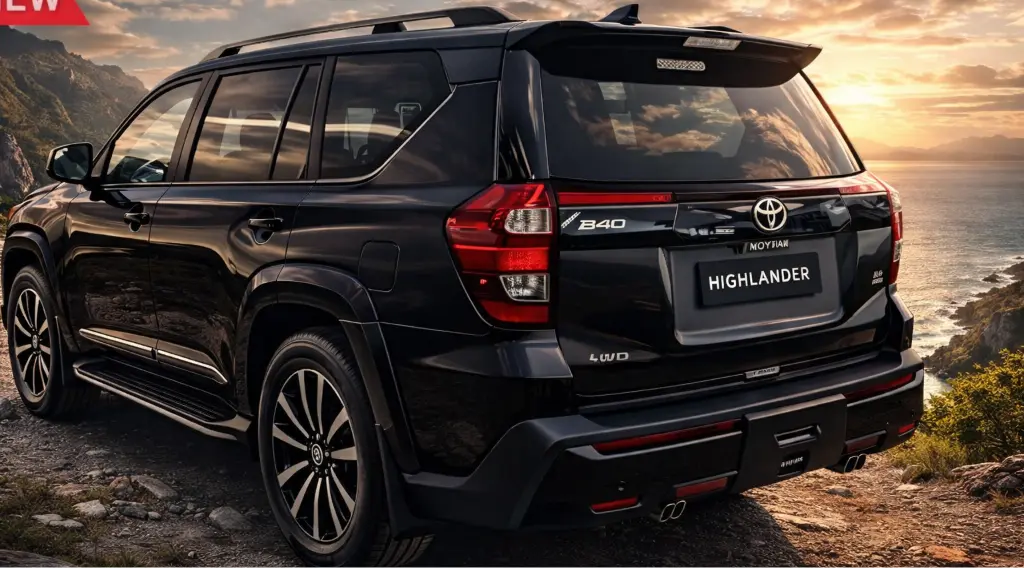

2026 Toyota Innova Crysta Review
Power, Space, Comfort and Real-World Ownership Insights
The 2026 Toyota Innova Crysta review reflects more than just another multi-purpose vehicle assessment. It represents an evaluation of one of the most trusted nameplates in the global family mobility segment — a model widely associated with durability, long-distance comfort, and ownership peace of mind.
Across developing and mature automotive markets, the MPV category continues to evolve. Buyers expect more than passenger capacity — they want efficiency, safety engineering, ergonomic comfort, predictable running costs, and long-term reliability signals. The latest iteration of the Innova Crysta enters this environment with incremental refinement rather than radical reinvention, focusing on strengthening its core proposition.
This review explores the vehicle through engineering context, user-experience analysis, and real-world usability perspectives to provide readers with a balanced, insight-driven evaluation.
Market Context & Positioning
The global MPV segment sits at an intersection between SUVs and traditional passenger vans. While SUVs dominate aspirational markets, MPVs remain relevant where practicality, seating flexibility, and ride comfort matter most.
Positioning Characteristics
| Dimension | Market Expectation | Innova Crysta Strategy |
|---|---|---|
| Space efficiency | Multi-row usability | Flexible seating layouts |
| Durability | Heavy usage tolerance | Ladder-frame foundation |
| Comfort | Long-distance travel | Suspension tuning |
| Cost predictability | Fleet & family appeal | Service network support |
The 2026 model positions itself as a stability-focused product rather than a trend-driven one — appealing to transport operators, large families, and reliability-conscious buyers.
Exterior Design Evolution
Visual updates are subtle yet purposeful. Instead of experimental styling, the exterior emphasizes presence and durability perception.
Design Observations
-
Bold front fascia with structured chrome detailing
-
Revised lighting elements improving night visibility
-
Balanced proportions maintaining MPV identity
-
Functional ground clearance suitable for varied road conditions
This design philosophy prioritizes long-term visual neutrality — ensuring the vehicle ages gracefully in appearance rather than following short-lived styling trends.
Interior Ergonomics & Passenger Experience
Passenger comfort remains a defining pillar of the Innova platform. The 2026 cabin layout continues prioritizing occupant well-being across all rows.
Ergonomic Highlights
-
Elevated seating posture improving outward visibility
-
Wide access points aiding entry/exit
-
Multi-zone airflow distribution
-
Adaptive seat configuration flexibility
Cabin Utility Comparison
| Feature | Practical Impact |
|---|---|
| Foldable seating | Cargo versatility |
| Touch interface controls | Driver convenience |
| Connectivity integration | Modern usability |
| Storage placement | Daily functionality |
Noise insulation improvements contribute to a calmer travel environment — particularly relevant during extended highway journeys.
Powertrain Engineering Analysis
The mechanical foundation emphasizes torque delivery and longevity rather than headline acceleration metrics.
Core Engineering Priorities
-
Stable power curve for load carrying
-
Predictable transmission response
-
Thermal durability under varied climate conditions
These characteristics support operational consistency across urban congestion and highway cruising.
Ride Quality & Handling Dynamics
Ride evaluation reveals tuning optimized for comfort rather than aggressive cornering.
Handling Profile
| Attribute | Behaviour |
|---|---|
| Suspension travel | Absorbs surface irregularities |
| Steering feedback | Light urban maneuvering |
| Body stability | Controlled at cruising speeds |
| Long-distance fatigue | Minimal passenger discomfort |
Such calibration aligns with family transport and commercial travel priorities.
Real-World Fuel Economy Insights
Fuel efficiency outcomes vary based on load conditions, terrain, and driving patterns.
Influencing Variables
-
Passenger count
-
Urban stop frequency
-
Climate control usage
-
Road gradient
Rather than focusing on laboratory metrics, real-world evaluation highlights predictability — a trait valued by ownership planners.
Safety Engineering Breakdown
Modern mobility expectations require layered safety architecture.
Protection Framework
| Safety Layer | Purpose |
|---|---|
| Structural reinforcement | Impact energy distribution |
| Braking assistance | Emergency control |
| Stability management | Traction support |
| Visibility aids | Maneuver confidence |
Safety development increasingly integrates passive and active approaches rather than relying solely on structural rigidity.
Ownership Cost & Maintenance Perspective
Total ownership value extends beyond initial purchase considerations.
Cost Stability Indicators
-
Parts availability networks
-
Service familiarity among technicians
-
Predictable maintenance schedules
-
Resale value retention patterns
These attributes strengthen confidence for long-term owners and fleet managers.
Variant Strategy Explained
Multi-variant offerings allow tailoring based on user priorities.
| Variant Focus | Typical Buyer Type |
|---|---|
| Entry functional | Fleet use |
| Mid comfort | Family transport |
| Premium experience | Executive travel |
Strategic segmentation ensures wide audience accessibility.
Pricing Landscape Discussion
Pricing tiers reflect positioning between affordability and feature inclusion.
Rather than competing at the lowest entry point, the strategy emphasizes perceived long-term value.
Key influencing factors include:
-
Material durability
-
Brand service ecosystem
-
Reliability perception
These elements often affect purchase justification more than upfront price alone.
Competitor Comparison Perspective
| Evaluation Area | MPV Rivals | SUV Alternatives |
|---|---|---|
| Space efficiency | Higher | Moderate |
| Driving stance | Neutral | Elevated |
| Off-road capability | Lower | Higher |
| Ride comfort | Strong | Varies |
Buyers frequently compare category benefits rather than model-specific features.
Urban vs Highway Suitability
Urban Context
-
Predictable maneuvering
-
Cabin cooling performance
-
Visibility support
Highway Context
-
Seat comfort sustainability
-
Cabin noise management
-
Stability at speed
Balanced capability supports mixed usage scenarios.
Long-Term Reliability Signals
Reliability perception stems from historical usage patterns rather than single-model claims.
Contributing Indicators
-
Platform lineage
-
Mechanical simplicity
-
Service accessibility
-
Owner community feedback
These signals reinforce trust among conservative buyers.
Verdict Based on Use Case (Part 1 Conclusion)
The 2026 Toyota Innova Crysta review indicates that its value proposition is rooted in dependability, spatial comfort, and predictable ownership dynamics rather than technological spectacle.
It aligns best with users prioritizing:
-
Passenger accommodation
-
Long-distance usability
-
Service ecosystem confidence
-
Practical durability
It may be less appealing to buyers seeking cutting-edge design experimentation or sport-oriented driving engagement.

 By
By