 Samarth Dave, WNW News Desk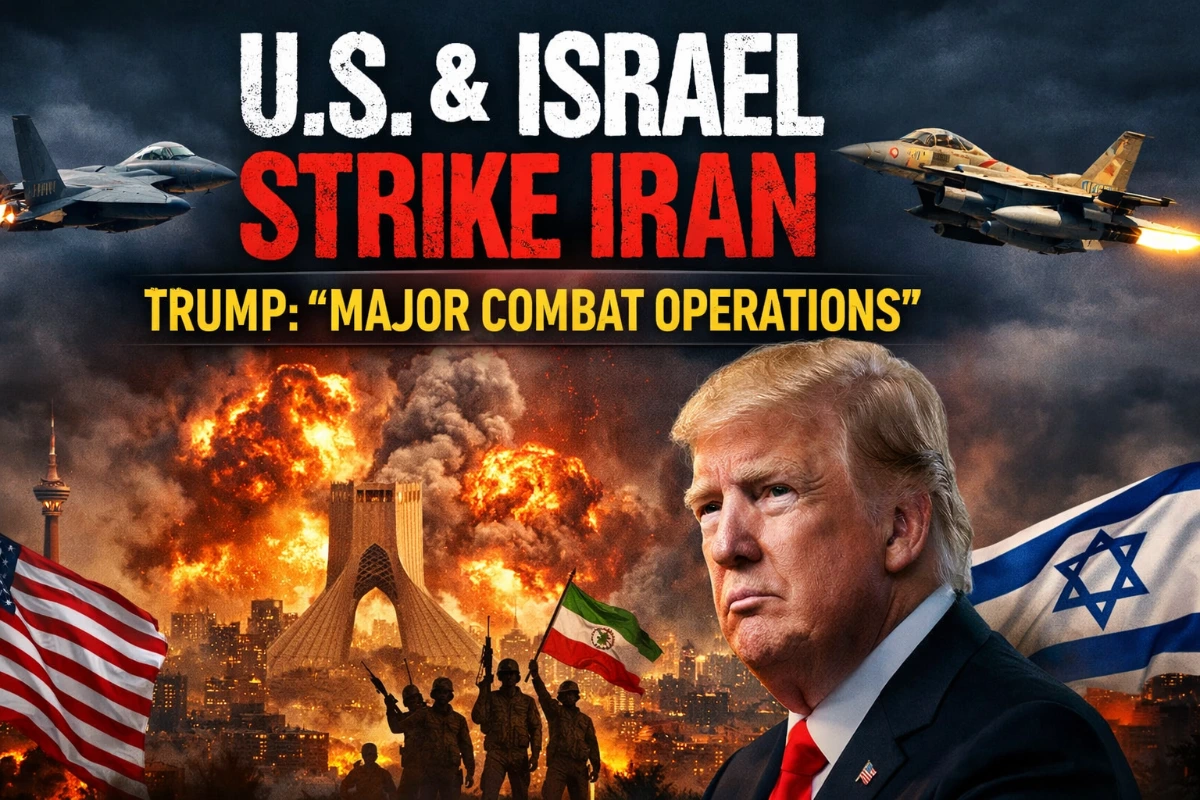
Breaking: U.S. Joins Israeli Strikes on Iran as Trump Declares ‘Major Combat Operations’ Underway
A rapidly escalating conflict in the Middle East is drawing global attention—and concern—after the United States confirmed it has entered active combat alongside Israel in strikes targeting Iran.
In a statement released moments after reports of explosions in Tehran, former President Donald Trump said U.S. forces had begun what he described as “major combat operations.” The announcement followed earlier confirmation from Israel that it had launched attacks inside Iran.
The developments unfolded quickly, with multiple international outlets reporting blasts in and around Iran’s capital. Israeli officials said their military action was deliberate, though details about targets and casualties have not yet been made public.
For Americans watching from home, the situation raises immediate questions about the potential for a broader conflict—and what it could mean for U.S. troops and global stability.
A Fast-Moving Crisis
Initial reports indicated Israeli forces had begun strikes, triggering explosions heard across Tehran. Shortly after, Trump announced that U.S. military operations were already in progress, signaling a significant escalation beyond a regional clash.
While the scope of U.S. involvement remains unclear, the phrase “major combat operations” suggests a coordinated and potentially sustained campaign.
Why It Matters at Home
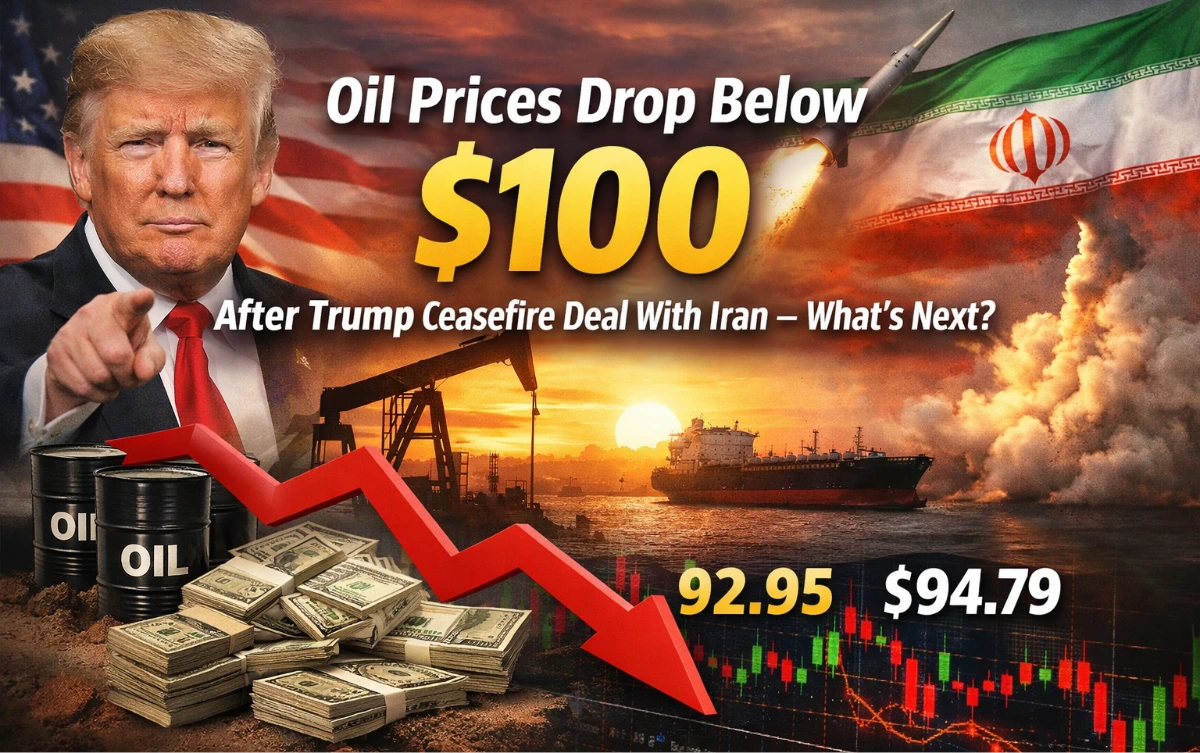
Even though the conflict is unfolding thousands of miles away, its impact could reach communities across the United States. ռազմական escalation in the Middle East often affects global oil prices, international travel, and national security posture—issues that can quickly hit Americans’ wallets and daily lives.
Local officials and military families, particularly in cities with large defense communities, are closely watching for updates on troop deployments or policy changes.
What Comes Next
At this stage, key details remain uncertain: how long the operation will last, whether additional countries will become involved, and how Iran will respond.
What is clear is that tensions have reached a critical point. With both Israeli and U.S. forces now engaged, the situation is evolving by the hour—prompting urgent attention from leaders and citizens alike.
More updates are expected as officials release additional information.
The Middle East edged closer to a wider war Friday after a dramatic series of military moves: explosions shook Iran’s capital, Israel confirmed it had launched strikes, and the United States quickly followed with its own involvement.
In a statement that immediately raised global alarm, Donald Trump declared that American forces are now engaged in what he called “major combat operations” inside Iran. The announcement came just minutes after reports of blasts lighting up the skyline over Tehran.
For many Americans waking up to the news, the speed of the escalation—and the direct U.S. involvement—marked a sharp and unsettling turn.
Explosions in Tehran Signal Start of Escalation
Early reports described loud explosions echoing across Tehran, with images and eyewitness accounts suggesting multiple impact points across the city. Shortly after, Israel confirmed it had carried out targeted strikes inside Iran, though officials have yet to provide specifics about locations or intended targets.
The strikes appear to be part of a broader operation, but details remain tightly controlled. Iranian authorities have not released a full assessment of damage or casualties.
Within minutes of the initial reports, Trump’s statement confirmed what many feared: the United States was no longer on the sidelines.
U.S. Involvement Raises Stakes Worldwide
Trump’s use of the phrase “major combat operations” suggests more than a limited or symbolic response. While U.S. officials have not outlined the exact scope of military action, the language indicates a coordinated and potentially sustained campaign alongside Israeli forces.
That level of involvement significantly raises the stakes—not just for the region, but globally.
Historically, conflicts involving Iran have carried the risk of spreading beyond borders, drawing in allies and impacting key shipping routes and energy supplies. Analysts warn that even a short-term escalation could ripple across international markets within days.
Why Americans Should Pay Attention
Though the fighting is unfolding overseas, its effects could be felt quickly in communities across the United States.
From rising gas prices to increased security concerns, global instability often hits close to home. Cities with strong military ties—such as Norfolk, Virginia, or San Diego, California—may see heightened activity as the Pentagon assesses next steps.
Families with loved ones in uniform are already bracing for the possibility of deployments or extended assignments.
In addition, airlines and global travel routes could face disruptions, especially if airspace in the region becomes restricted.
Unanswered Questions Loom Large
As of now, critical details remain unclear. Among the biggest questions:
-
How extensive are the U.S. operations?
-
What specific targets have been hit?
-
How will Iran respond—and how quickly?
-
Could other nations be pulled into the conflict?
Iran’s next move is expected to be pivotal. Any retaliation could further escalate tensions and potentially trigger a broader regional confrontation.
A Rapidly Changing Situation
What began as Israeli strikes has, in a matter of hours, evolved into a much larger and more complex military situation involving the United States.
For now, officials are urging caution as information continues to emerge. The situation remains fluid, with updates expected throughout the day as governments respond and assess the unfolding crisis.
One thing is certain: the world is watching closely, and the decisions made in the coming hours could shape the trajectory of this conflict for years to come.
 Read More

 Sunil Raval,WNW News Desk