


The No-Spend Lifestyle Shift of 2026: Why Ordinary Families Are Finally Saying Enough
The strangest thing about 2026 isn’t a new app, a new phone, or a new trend on Wall Street.
It’s what’s missing.
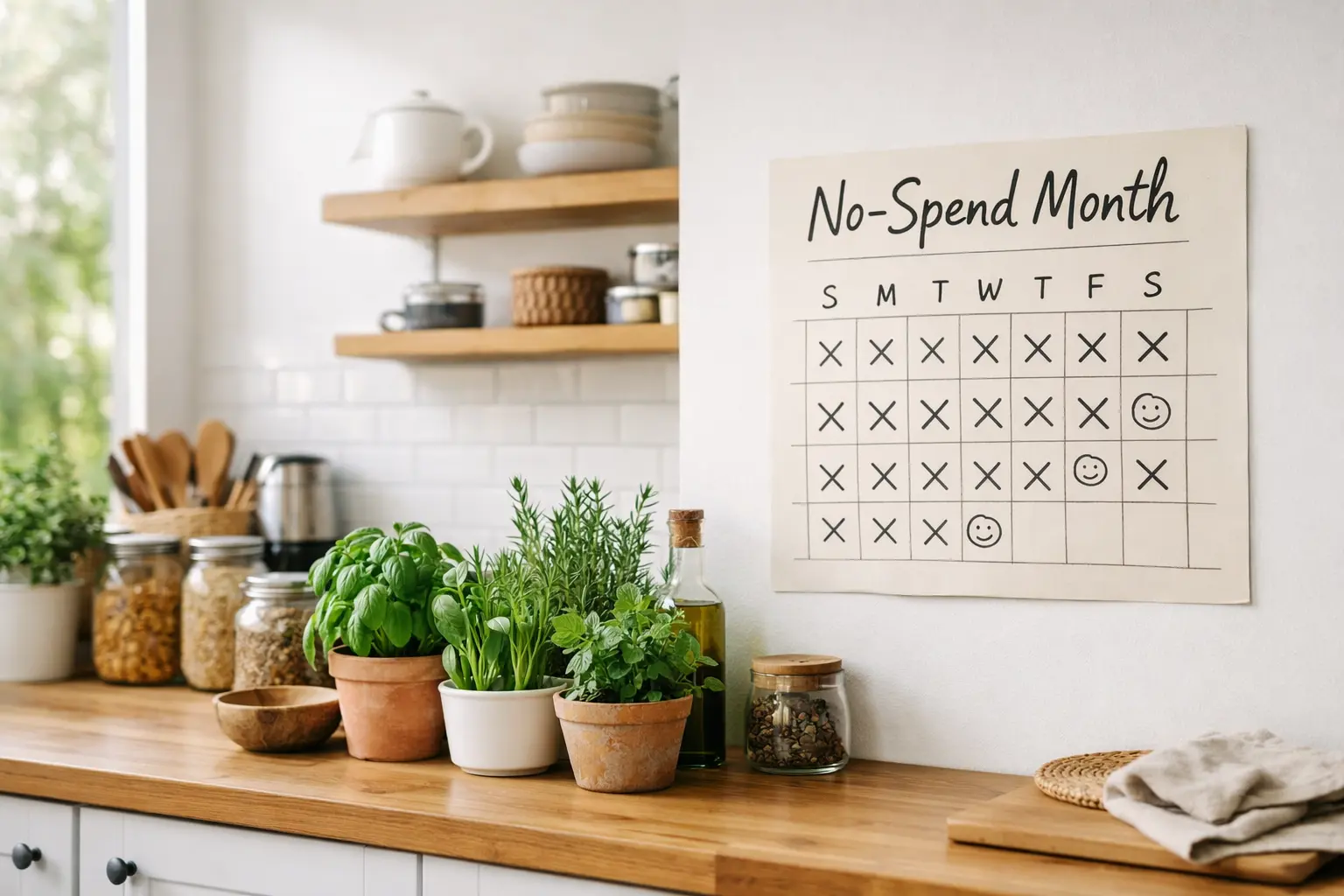
In suburbs outside Melbourne and in middle-class neighborhoods across Texas, families are doing something that would have sounded extreme just a few years ago. Many now describe this change as the No-Spend Lifestyle, a deliberate choice to stop buying things that don’t truly add value.
Not upgrading.
Not subscribing.
Not chasing the next “must-have.”
And it didn’t start as a movement. It started as exhaustion.
After years of inflation, shrinking paychecks, and a world where everything quietly turned into a monthly fee, people simply hit a limit.
When Spending Stopped Feeling Normal
For a long time, spending wasn’t really a decision. It was automatic.
You didn’t choose Netflix.
You didn’t consciously decide on cloud storage.
Your car’s heated seats, your productivity tools, even your doorbell quietly asked for monthly payments.
By 2025, many households were paying hundreds of dollars every month without ever sitting down and adding it all up.
Then people finally did.
And what they saw scared them.
So in 2026, something flipped.
People started canceling, fast.
Not because they suddenly became minimalists, but because they realized most of what they were paying for wasn’t actually improving their lives.
One parent in Brisbane described it simply:
“It felt like giving myself a raise without changing jobs.”
Spending Is No Longer the Flex
A few years ago, social media rewarded excess.
Designer bags.
Luxury travel.
Overpriced dinners.
That tone has changed, and it changed quickly.
Now, the posts getting attention look very different:
-
Someone repairing an expensive jacket instead of replacing it
-
A family cooking a full meal from local produce for just a few dollars
-
A quiet screenshot of a debt balance hitting zero
Being flashy suddenly feels awkward.
In a high-inflation world, waste looks careless. Resourcefulness looks smart.
And people notice.

Fixing Things Is Cool Again
One of the biggest changes of this decade is how people treat the things they already own.
Phones don’t get replaced the moment something slows down.
Appliances aren’t automatically thrown out.
Broken doesn’t mean useless anymore.
Part of that shift is cultural, and part of it is legal.
With stronger Right-to-Repair rules across North America and Australia, people can finally fix their own devices without jumping through endless hoops.
Repair cafés are popping up.
DIY kits are everywhere.
YouTube tutorials are replacing service counters.
For many households, keeping a device alive for four more years feels better than buying a new one ever did.
The Grocery Bill Wake-Up Call
Food prices did what nothing else could. They forced change.
When groceries started taking a serious bite out of monthly budgets, families didn’t just complain. They adapted.
But this isn’t old-school gardening.
In small apartments and rented homes, people are growing herbs, greens, and vegetables using compact hydroponic systems. Some are AI-assisted, some aren’t, but all of them help cut costs.
It’s practical.
It’s quiet.
And it works.
For many people, growing food isn’t about trends. It’s about not feeling powerless at the checkout counter.
How People Are Actually Doing No-Spend Without Going Extreme
This isn’t about never buying anything again. That isn’t realistic.
Most households easing into this shift follow a few simple habits.
They pause.
Big purchases wait a few days. Most urges disappear.
They audit.
Every subscription has to justify its existence.
They share.
Tools, skills, and resources are increasingly borrowed instead of bought.
No slogans. No pressure. Just small decisions that add up over time.
The Unexpected Side Effect: Calm
Something interesting happens when spending slows down.
People sleep better.
They feel less behind.
There’s less background anxiety.
Psychologists point out that constant buying creates a cycle. A brief hit of excitement followed by emptiness. Breaking that loop brings real relief.
One family in Ontario put it this way:
“We didn’t realize how stressed money decisions made us until we stopped making so many of them.”
This Isn’t About Being Cheap
The biggest misunderstanding about the no-spend shift is that it’s about deprivation.
It isn’t.
It’s about choosing where money actually matters, and letting go of the rest.
In 2026, that mindset is no longer fringe. It’s quietly becoming normal.
And that might be the most radical change of all.
Frequently Asked Questions (FAQ)
What does “No-Spend” or “Zero-Consumerism” actually mean?
No-Spend doesn’t mean never buying anything again. It means becoming intentional about spending. Families focus on essentials, avoid impulse purchases, and cut costs that don’t add real value to their daily lives.
Is the No-Spend lifestyle only for people struggling financially?
Not at all. Many households adopting this approach are financially stable. They are choosing it to reduce stress, avoid waste, and feel more in control of their money rather than constantly chasing upgrades and trends.
How is No-Spend different from minimalism?
Minimalism is often about owning fewer physical items. No-Spend is more practical. It focuses on daily decisions like subscriptions, food habits, repairs, and delayed purchases. You can live comfortably and still follow a No-Spend mindset.
Do families completely stop using subscriptions?
Most don’t eliminate everything. They keep what they genuinely use and enjoy. The shift is about canceling unused or low-value subscriptions, not cutting joy or convenience from life.
Is this trend really growing in the US and Australia?
Yes. Rising inflation, higher grocery prices, and cost-of-living pressure have pushed many families to rethink spending. Online communities, local swap groups, and repair-focused habits are growing rapidly across both regions.
Can No-Spend actually improve mental health?
Many people report feeling calmer and less anxious after reducing unnecessary spending. Fewer financial decisions, fewer bills, and less pressure to “keep up” often lead to better sleep and lower stress levels.
Is growing your own food necessary to follow No-Spend?
No. Micro-farming and home growing are optional tools, not requirements. Even small changes like cooking more at home or buying seasonal produce can make a noticeable difference.
How can someone start without feeling overwhelmed?
Start small. Review subscriptions, pause before big purchases, and try a short No-Spend challenge for a week or a month. The goal is progress, not perfection.
Is No-Spend about being cheap?
No. It’s about being intentional. People still spend on things that matter to them. They simply stop spending on things that don’t.


Rolls-Royce Stock 2026: Why Shares Are Hitting Record Highs & Forecast Insights
Canada & China Sign Landmark Trade Deal