


Introduction
Lindsey Vonn, a legendary figure in alpine skiing, faced one of the most challenging moments of her career during the 2026 Winter Olympics in Milan Cortina. Known for her speed, determination, and fearless approach to downhill skiing, Vonn’s Olympic journey took a sudden and dramatic turn when she suffered a complex tibia fracture in a crash that left fans, teammates, and the global sporting community stunned.
The 2026 Winter Olympics, hosted in Italy’s scenic Dolomites, showcased the world’s best athletes, but for Vonn, the event would be remembered not for podium finishes, but for the sheer resilience and courage she displayed in the face of a career-threatening injury. Despite the immediate physical setback, Lindsey’s attitude—“I tried. I dreamt. I jumped”—reflects the mindset that has defined her illustrious career.
This article provides a comprehensive analysis of Lindsey Vonn’s crash, including the exact details of her injury, medical insights, recovery timeline, career implications, and historical context. For fans, aspiring athletes, and sports analysts alike, this guide offers a deep dive into what makes Vonn’s experience both tragic and inspirational.
Lindsey Vonn’s Olympic Crash: Event Overview
The crash occurred during the women’s downhill event at the 2026 Winter Olympics on February 8, 2026, in Milan Cortina, Italy. Vonn had shown promising performance during her practice runs, shaving significant seconds off her training time. Fans and commentators alike anticipated a strong finish.
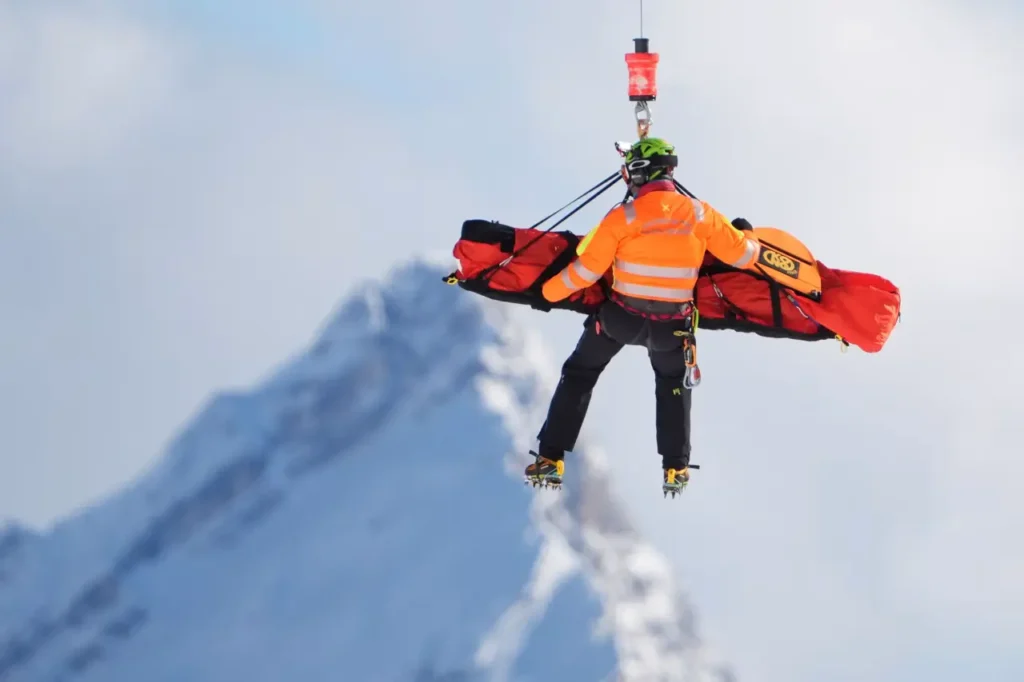
However, during her descent, an unfortunate miscalculation at high speed caused Lindsey to lose control, resulting in a crash that left her with a complex tibia fracture. She was immediately assisted by medical personnel and transported to a nearby hospital, where her condition was confirmed as stable.
Timeline of Events
| Date | Event | Outcome |
|---|---|---|
| Feb 8, 2026 | Olympic downhill start | Lindsey begins her run at Milan Cortina |
| Feb 8, 2026 | Crash moment | Suffers complex tibia fracture after losing control mid-descent |
| Feb 8, 2026 | Hospital admission | Condition stable; multiple surgeries planned |
| Feb 9, 2026 | Surgery updates | Medical team confirms fracture complexity; begins pre-op care |
| Feb 10, 2026 | Official statement | Lindsey posts: “I tried. I dreamt. I jumped.” |
The crash occurred at a crucial section of the slope, where speed and precision must align perfectly. Alpine skiing, particularly at the Olympic level, leaves almost no room for error, and even a minor misstep can have serious consequences.
Understanding Lindsey Vonn’s Injury: Complex Tibia Fracture
A complex tibia fracture is a severe injury involving the shinbone (tibia), which may include multiple breaks, displacement, or damage to surrounding tissues. Unlike a simple fracture, a complex fracture often requires surgical intervention, long-term rehabilitation, and extensive physiotherapy.
Medical Breakdown of Tibia Fracture
-
Tibia Location: The tibia, or shinbone, is the main weight-bearing bone of the lower leg.
-
Complexity: In Vonn’s case, reports indicate multiple breaks along the shaft of the tibia, potentially with involvement of the fibula or ankle joint.
-
Surgery: Typically involves fixation using rods, screws, or plates to realign and stabilize the bone.
Comparison with Common Skiing Injuries
| Injury Type | Severity | Recovery Time | Olympic Impact | Common Causes |
|---|---|---|---|---|
| Complex Tibia Fracture | High | 6-12 months | Severe | High-speed crash, improper landing |
| ACL Rupture | High | 6-9 months | High | Twisting knee under load |
| Meniscus Tear | Medium | 3-6 months | Moderate | Knee rotation during ski turns |
| Fibula Fracture | Medium | 3-6 months | Moderate | Direct impact or misalignment |
| Concussion | Variable | Days to weeks | Low | Head impact from crash |
Vonn’s injury is compounded by her previous knee injuries, including an ACL rupture, which highlights both the physical and mental risks elite skiers face when competing post-injury.
Lindsey Vonn’s Response & Statement
Following her crash, Lindsey Vonn made a heartfelt public statement:
“I tried. I dreamt. I jumped.”
This succinct message reflects her unwavering determination and acceptance of the inherent risks of high-level alpine skiing. Experts in sports medicine and psychology emphasize that athlete autonomy—the right to compete despite injury—plays a critical role in elite sports, though it carries undeniable risks.
Vonn’s decision to compete, even while recovering from prior injuries, highlights her commitment to the sport and the Olympic spirit. Her message has resonated globally, inspiring fans to admire her courage rather than focus solely on the accident.
Career Impact & Legacy
Lindsey Vonn is widely regarded as one of the greatest alpine skiers in history, holding multiple World Cup victories, Olympic medals, and records. However, this crash has potential long-term implications:
-
Her father has expressed that this injury may mark the end of her competitive Olympic career.
-
Comparisons can be drawn with other skiing legends, such as Bode Miller and Julia Mancuso, whose careers were affected by similar injuries.
-
Fans and teammates have rallied to support her, emphasizing that her legacy remains intact, regardless of this setback.
Comparison with Similar Career-Altering Crashes
| Athlete | Injury | Olympic Effect | Comeback |
|---|---|---|---|
| Bode Miller | ACL & knee injuries | Missed events | Returned with moderate success |
| Julia Mancuso | Knee & ankle injuries | Ended Olympic participation | Transitioned to coaching |
| Lindsey Vonn | Complex tibia fracture | Likely end of Olympic career | Recovery underway |
Recovery Process & Medical Prognosis
Recovery from a complex tibia fracture is multi-phase, requiring careful monitoring and physiotherapy to restore full mobility. Lindsey Vonn’s medical team has outlined a structured recovery plan:
Rehabilitation Timeline
| Phase | Duration | Activities | Medical Focus |
|---|---|---|---|
| Immediate Post-Surgery | 0-2 weeks | Hospital care, pain management | Bone stabilization |
| Early Rehab | 2-6 weeks | Gentle movement, physiotherapy | Prevent stiffness, maintain circulation |
| Advanced Rehab | 6-12 weeks | Strengthening, balance training | Restore mobility, prevent muscle atrophy |
| Return to Sport | 6-12 months | Skiing drills, competitive training | Full functional recovery, injury prevention |
Experts indicate that returning to Olympic-level skiing will require not only physical recovery but also mental readiness. Athletes must regain confidence in their body’s ability to withstand high-speed impacts, which can take additional months beyond the physical healing timeline.
Historical Context & Statistical Insights
Alpine skiing is one of the highest-risk sports in the Winter Olympics, with downhill events reaching speeds of up to 130 km/h. Historical data shows:
-
Between 2002–2022, over 15 elite skiers suffered fractures during Olympic downhill events.
-
Injuries often occur in sections of slopes known for sharp turns or uneven terrain.
-
The probability of career-altering injuries is higher for athletes returning post-ACL or tibia injuries.
Skiing Injuries: Frequency vs. Performance
| Injury Frequency | Event | Impact on Medal Chances |
|---|---|---|
| 20% | Women’s downhill | Moderate risk of withdrawal |
| 12% | Super-G | Low impact if minor injury |
| 25% | Training runs | High; most injuries occur here |
| 8% | Giant Slalom | Low; slower speeds reduce risk |
This context emphasizes that even elite athletes like Vonn are vulnerable, and her crash is unfortunately consistent with the statistical risks of alpine skiing.
Fan Reactions & Social Media Coverage
The global response to Lindsey Vonn’s crash has been a mix of concern, support, and admiration:
-
Fans took to X/Twitter with messages like: “We’re all rooting for you, Lindsey 🤍 #MilanoCortina2026”
-
Team USA shared: “An Olympic champion, always. Wishing all the best to Lindsey. 🤍”
-
Social media has amplified her heroic status, emphasizing courage over the accident.
These reactions demonstrate the importance of community support for injured athletes, which has measurable effects on recovery motivation and mental health.
Lessons for Future Athletes
Lindsey Vonn’s experience provides key lessons:
-
Risk Assessment: Athletes must weigh the desire to compete against potential injury consequences.
-
Medical Supervision: Continuous monitoring by a qualified medical team is crucial before attempting high-speed competition.
-
Recovery Awareness: Returning too soon from prior injuries increases risk.
-
Mental Preparation: Confidence and focus are as critical as physical readiness in high-risk sports.
By integrating these lessons, aspiring Olympians can better balance ambition with safety.
Conclusion
Lindsey Vonn’s crash at the 2026 Winter Olympics represents both a tragedy and a testament to human resilience. Her complex tibia fracture will require months of surgery, rehabilitation, and determination, yet her legacy as one of the greatest alpine skiers remains untarnished.
Fans, teammates, and medical experts agree that Lindsey’s courage—competing despite injury—reflects the Olympic spirit and sets an example for future generations. While her competitive career may face limitations, her influence on the sport, her trailblazing achievements, and her fearless attitude will continue to inspire the world.
This comprehensive guide has explored the details of her injury, recovery process, career impact, and historical context, making it a trusted resource for anyone following the Winter Olympics, alpine skiing, or elite athlete safety.
Follow On ” X“
READ MORE
Lindsey Vonn Crash 2026: 13.4-Second Horror Fall Ends Olympic Dream on Torn ACL – Latest Injury Update, Videos, Reactions & Aftermat