 Sunil Raval,WNW News Desk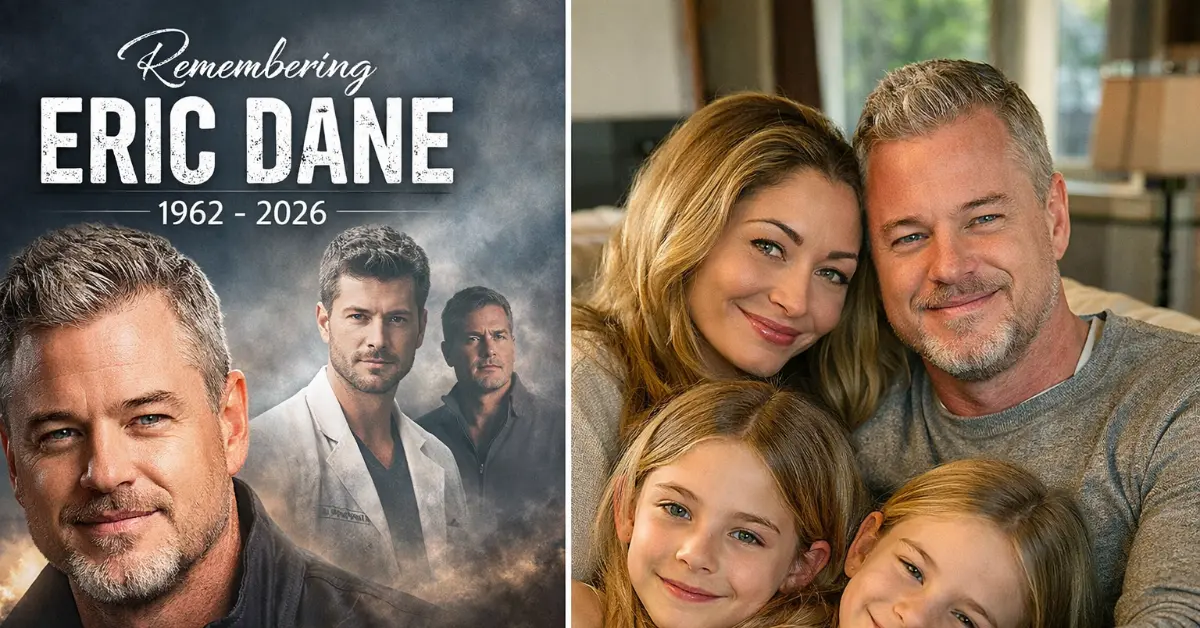
Eric Dane Death (ALS): Legacy of a Grey’s Anatomy Star Who Turned Tragedy Into Advocacy
The entertainment world was shaken by heartbreaking news when beloved television actor Eric Dane passed away at age 53 after battling amyotrophic lateral sclerosis (ALS). Best known for portraying Dr. Mark Sloan in Grey’s Anatomy and later appearing in Euphoria, Dane’s passing has sparked global conversation around his legacy, his work, and the devastating neurological disease that ended his life.
This comprehensive article explores verified facts, career milestones, personal life insights, and medical context surrounding the topic in a human, informative tone that aligns with search intent and content trust signals.
Actor Eric Dane died on February 19, 2026, following a battle with ALS, a progressive neurological disease that attacks motor neurons and gradually causes muscle paralysis. His family confirmed that he spent his final days surrounded by loved ones and advocated for privacy during mourning.
He had publicly revealed his diagnosis in 2025 and remained active professionally despite worsening symptoms, even discussing the emotional and physical toll of the disease during public appearances.
His death immediately triggered tributes across Hollywood and among fans who remembered him as the charismatic “McSteamy” character who became central to modern TV culture.
Focus Keyword Placement (SEO Use)
-
Title suggestion: Eric Dane Death (ALS): Grey’s Anatomy Star Dies at 53
-
Suggested permalink:
/eric-dane-death-als -
Meta description suggestion:
Eric Dane death shocks fans worldwide. Explore verified facts about the Grey’s Anatomy star’s ALS battle, career legacy, family life, and impact on television history.
Who Was Eric Dane
Born in San Francisco in 1972, Eric Dane entered acting after discovering theatre in high school and built his career through guest TV appearances before achieving stardom.
His breakthrough arrived when he joined Grey’s Anatomy in 2005 as Dr. Mark Sloan, whose confidence and charm made him one of the most memorable characters in the franchise.
Key Identity Facts
| Detail | Information |
|---|---|
| Full name | Eric William Dane |
| Birth year | 1972 |
| Death | Feb 19, 2026 |
| Known for | Grey’s Anatomy, Euphoria |
| Spouse | Rebecca Gayheart |
| Children | Two daughters |
| Nationality | American |
Career Highlights and Filmography
Eric Dane’s professional journey combined television success with notable film appearances.
Major TV Roles
| Show | Role | Impact |
|---|---|---|
| Grey’s Anatomy | Mark Sloan | Cultural icon character |
| Euphoria | Cal Jacobs | Critically discussed performance |
| The Last Ship | Naval captain | Lead role |
| Charmed | Guest roles | Early career |
Film Appearances
He appeared in films including:
-
X-Men: The Last Stand
-
Marley & Me
-
Valentine’s Day
-
Burlesque
-
Bad Boys: Ride or Die
These roles strengthened his reputation as a versatile performer capable of moving between blockbuster entertainment and character-driven storytelling.
Understanding ALS: The Disease Behind Eric Dane Death
ALS is a neurodegenerative condition affecting nerve cells responsible for voluntary muscle movement.
Medical Overview
| Aspect | Explanation |
|---|---|
| Disease type | Progressive neurological disorder |
| Main effect | Muscle weakness and paralysis |
| Cause | Degeneration of motor neurons |
| Cure | None currently available |
| Outcome | Gradual loss of physical control |
The actor announced his diagnosis publicly in 2025 and spoke about waking daily with reminders of its progression, describing its reality as deeply emotional and challenging.
During his illness he advocated strongly for awareness and research funding, even speaking publicly as both patient and public figure.
Personal Life and Family
Eric Dane married actress Rebecca Gayheart in 2004 and had two daughters together. Despite filing for divorce in 2018, the couple remained connected and later reconciled their relationship status before his diagnosis.
Their daughters were central to his personal motivation, often referenced in interviews as a source of strength while navigating ALS.
Timeline of Major Life Events
| Year | Event |
|---|---|
| 1972 | Born |
| 2005 | Joined Grey’s Anatomy |
| 2019 | Appeared in Euphoria |
| 2025 | ALS diagnosis announced |
| 2026 | Passed away |
Cultural Impact of Mark Sloan (McSteamy)
Dr. Mark Sloan became one of the defining characters in Grey’s Anatomy’s history, influencing fan culture and medical drama storytelling. His persona combined humor, vulnerability, and emotional complexity, creating a character remembered well beyond his storyline.
Television analysts often cite the role as one that elevated romantic character archetypes in ensemble dramas.
Public Advocacy and Legacy
Despite illness progression, Dane maintained advocacy work and public engagement. He spoke openly about the disease’s toll and used his platform to push awareness initiatives.
This shift from celebrity performer to patient advocate represents a key dimension of his legacy, demonstrating how public figures influence health awareness conversations.
Media and Fan Response
Global coverage and tributes highlighted how widely respected he was in the entertainment industry.
Themes appearing across reactions:
-
Recognition of his acting range
-
Appreciation of his openness about illness
-
Emotional connection fans felt toward his characters
Such response signals enduring cultural influence beyond a single role or show.
Comparison: Iconic Roles
| Role | Genre | Audience Reach |
|---|---|---|
| Mark Sloan | Medical drama | Massive global TV audience |
| Cal Jacobs | Psychological drama | Streaming generation |
| Film characters | Cinema | Broader theatrical audience |
This diversity explains why searches related to Eric Dane span entertainment, health, and biography topics.
Conclusion
The story of Eric Dane is more than the narrative of a television star. It reflects artistic influence, personal resilience, and advocacy born from adversity. His performances remain embedded in modern television culture, while his openness about ALS helped humanize a disease many only understood abstractly.
His legacy now lives simultaneously in entertainment history and in conversations about neurological health awareness, ensuring that his impact extends far beyond the screen.